

While local food purchasing is an important component of a robust farm to early childhood program, there is no one-size-fits-all way to do it. This guide will help you:
- define what local means to you
- assess your starting point
- identify your program’s food related values
- embrace seasonality of available produce
- find local food throughout Vermont (and the year!)
- consider the various logistics related to purchasing and incorporating local foods into your program
This guide also aims to challenge the misconception that local food always costs more. We include strategies to help you conserve costs, such as embracing seasonality and enrolling in a community supported agriculture (CSA) share. Every early childhood nutrition, snack, and education program has a unique set of values, priorities, and challenges. These determine what food will be purchased (and how much), where it will come from, and how it will be used. Incorporating local foods into your programs may at first seem daunting, but the benefits should far outweigh any challenges you might experience. When your students eat fresh, skillfully prepared foods from local producers, your program may see improved student nutrition, increased engagement in educational activities, and stronger connections to the community.
Created by the Vermont Farm to School & Early Childhood Network with funding and support provided by the ASPHN 2020-21 Farm to ECE Implementation Grant.
If you print this version, we've created a handy link page for reference.
You can preview the publication on this page and download the full publication below.
Related Resources
-
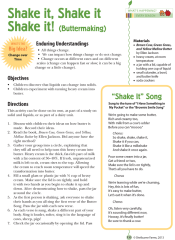
Buttermaking: Shake it, Shake it, Shake it!
Learn how to make butter from heavy cream and sing along as you watch this magical process. -
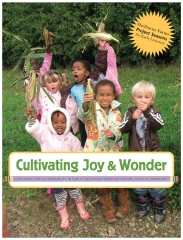
Cultivating Joy & Wonder: Educating for Sustainability in Early Childhood Through Nature, Food, and Community
Essays and early childhood activities that encourage exploration of the natural world.