
Education starts with the young; for it is then, that its is impressed that learning is a continuous (unfolding) fluid process that last a lifetime. So proud to know that today's educators are teaching "Place Based Learning" because a classroom can take place anywhere in the world that offers a novel opportunity to learn that everything we see and touch is interconnected, and needs everyone's participation for humanity and the planet to function and survive.
Education Impact
Place-Based Education
Burlington City & Lake Students Share Their Environmental "A-ha's"

You might be surprised — even suspicious — to find a group of teenagers downtown in the middle of a weekday. What if these students weren’t escaping the classroom, but seeking lessons best learned outside of it?
That’s the idea behind Burlington City & Lake Semester (BCL), an award-winning immersive program that we offer in partnership with the Burlington School District. BCL engages Burlington High School students in place-based learning in and around the city they call home.
Dov Stucker, co-founder and lead teacher of BCL, defines place-based learning by asking three questions, “What can we do right here that we can't do in any other place? What can we do right now that we couldn't do any other time? And what can we do, together with these people, that we couldn't otherwise do?”
Driven by inquiry, place-based learning is not a rigid curriculum. It’s a fluid model that adapts in relationship to different (human and non-human) environments. And students adapt along with it.
“By the time they arrive in the Burlington City & Lake Semester, students have spent nearly 15,000 hours in classrooms, marking the hours with predictable timetables, and bells,” said Dov. “You would think that it would take weeks for them to transition to learning in and from the world, but every semester the transition is seamless. It's a reminder that this is how we naturally learn — from and with people, fueled by curiosity, and connected to authentic, complex problems.”
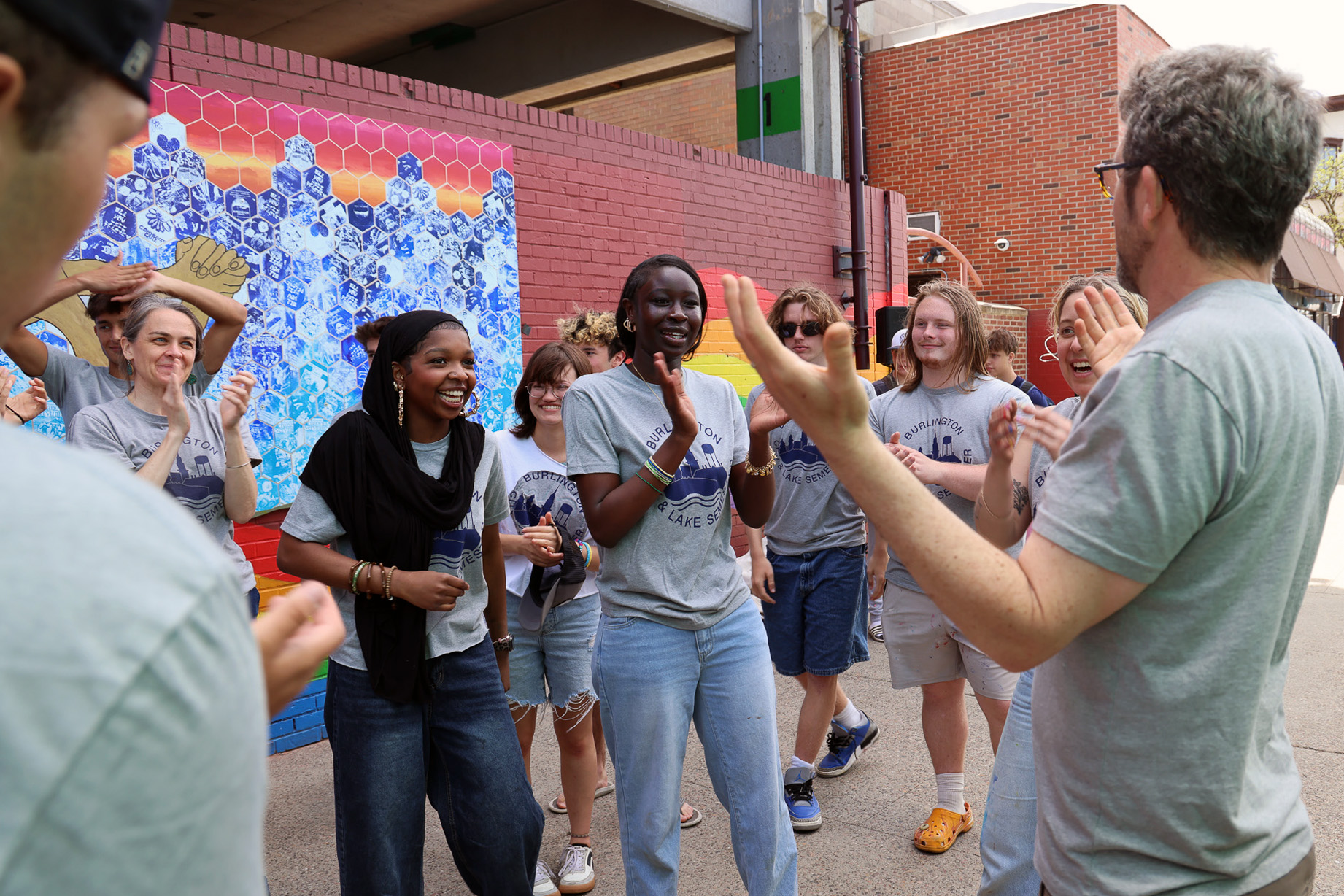
BCL students spend much of the semester learning about real-time issues in their city, including housing, transportation and urban planning. This past fall, they consulted with city officials and decision-makers on dilemmas from neighborhood planning and school district policy to transportation equity and the city’s legacy of deferred maintenance.
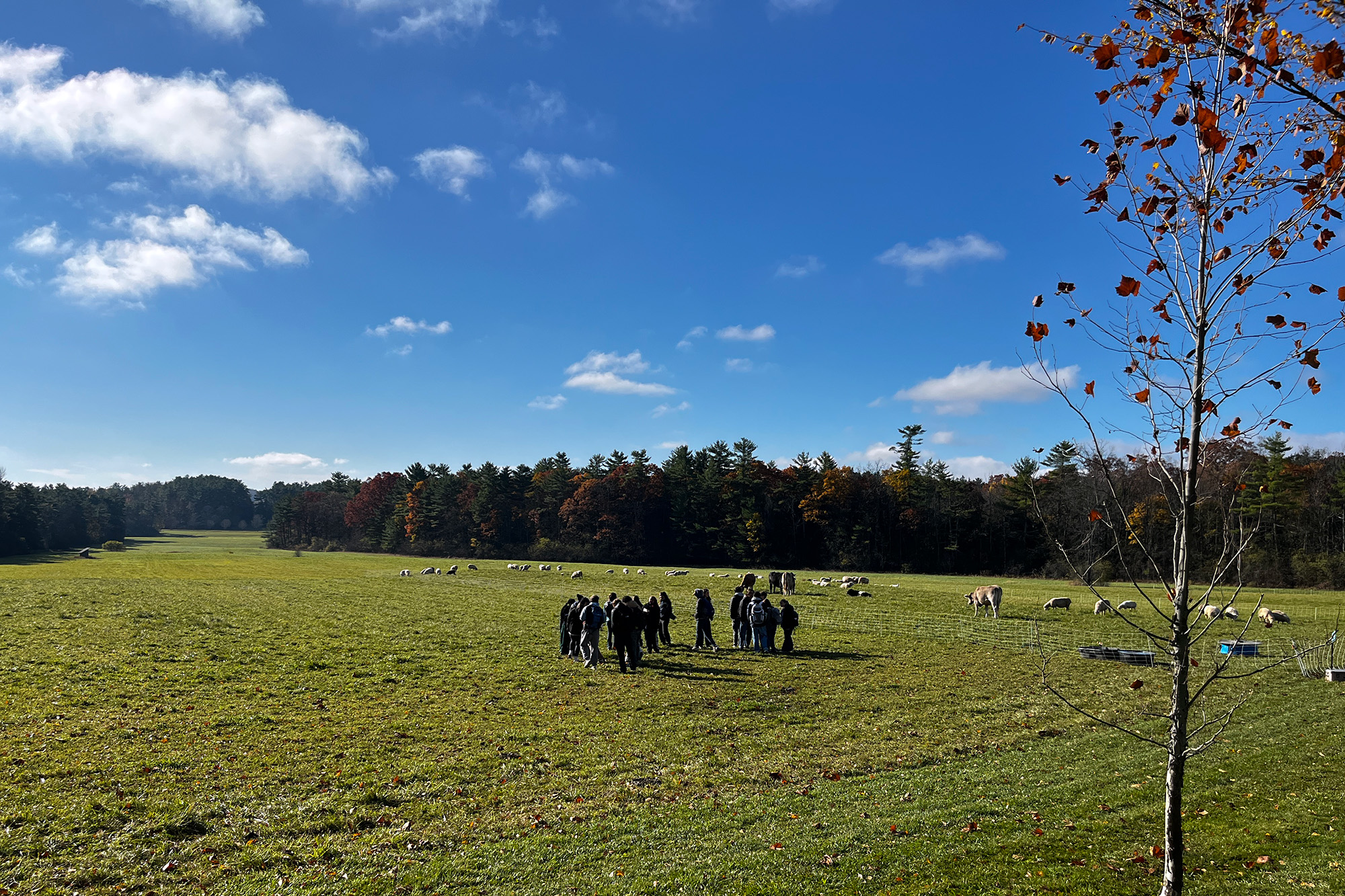
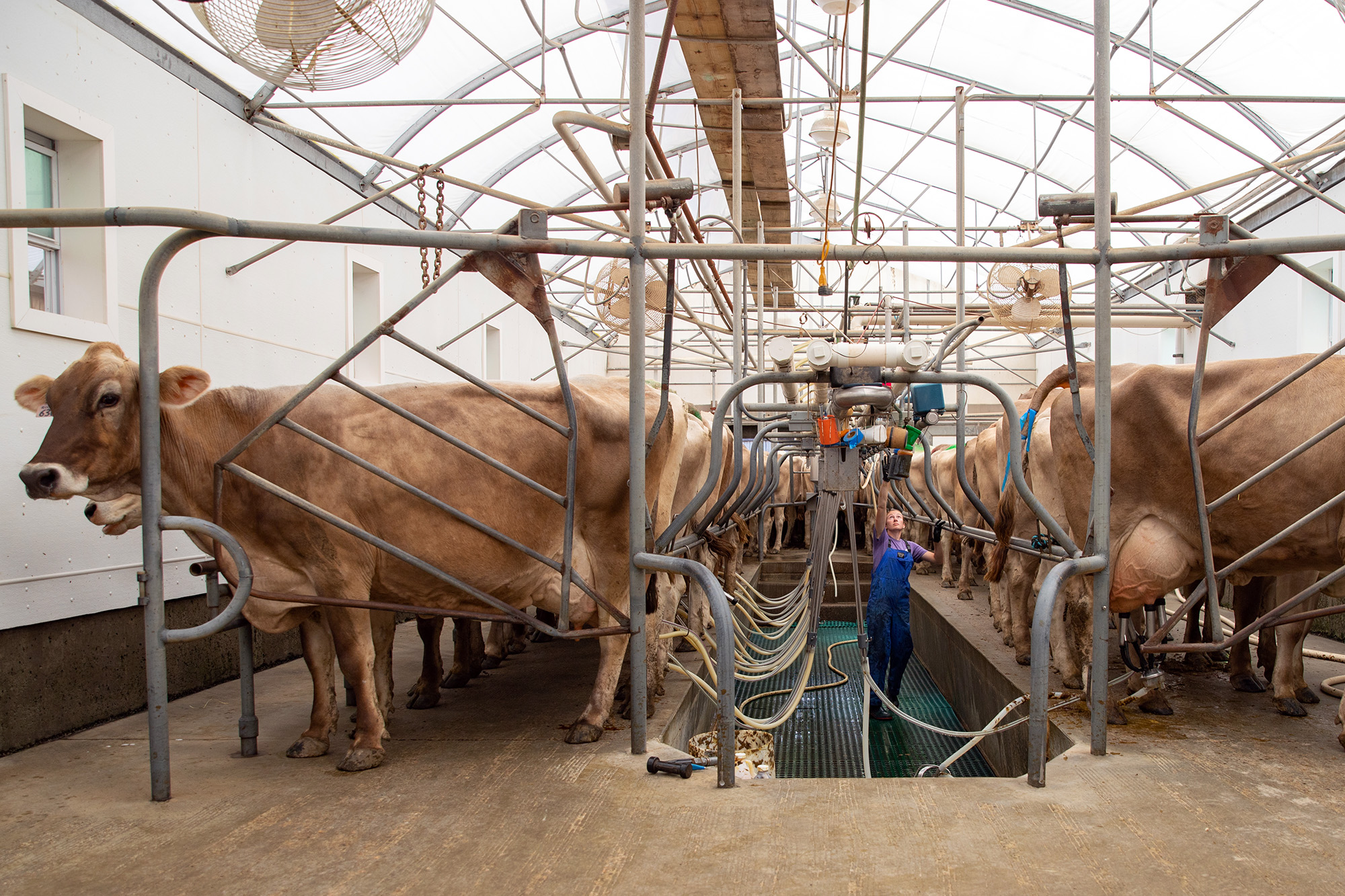
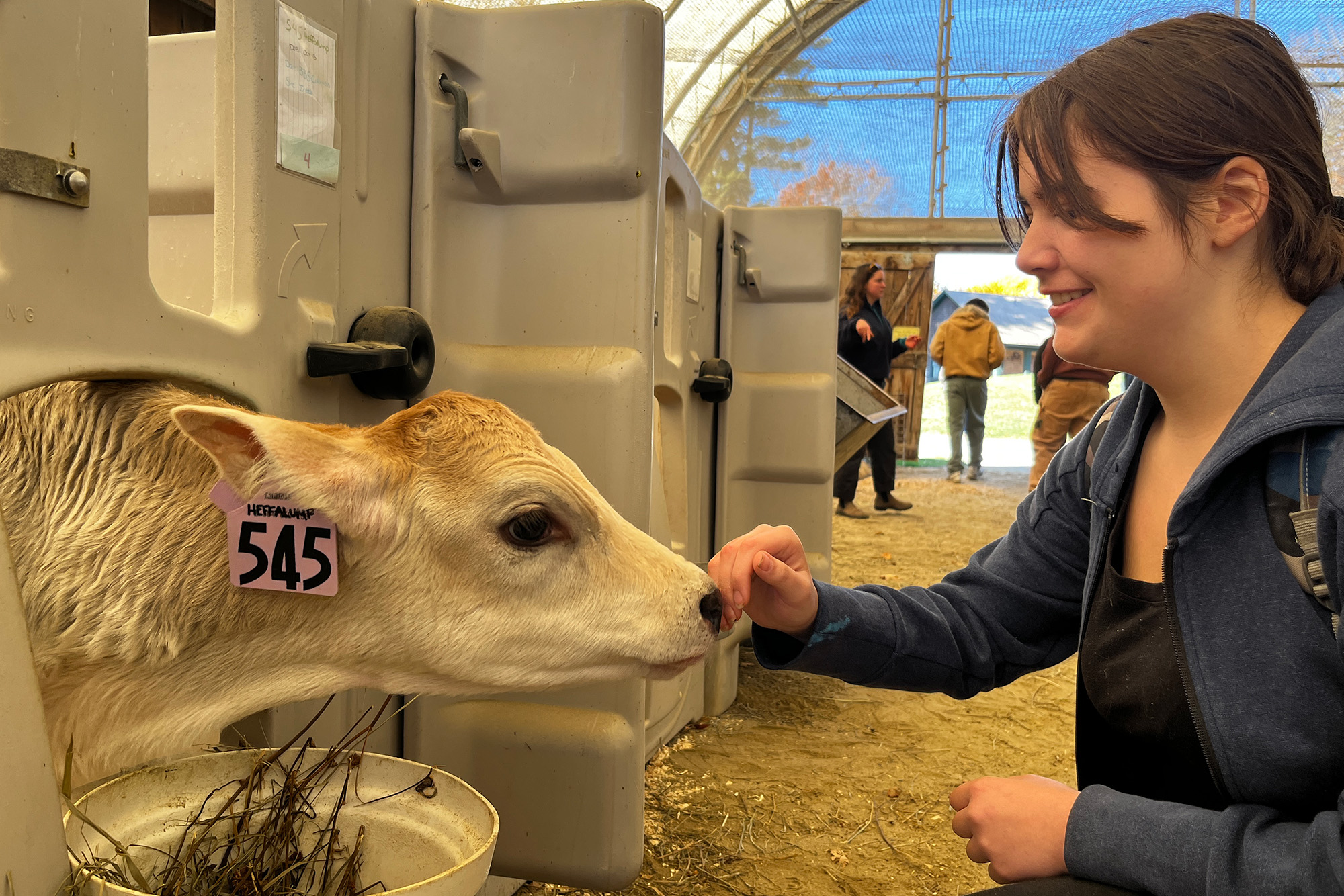
But BCL is not just an urban studies program. Students also connect to natural and agricultural systems here at Shelburne Farms. Recently, BCL explored our pasture and dairy to learn about regenerative agriculture practices. They traced the geologically-long “rock to cheese” story, following calcium from ancient Champlain Valley rocks, to nutrient rich soil, to pasture grasses and cows that produce the milk that becomes our cheddar cheese. They met calves from our brown swiss herd, including one born just minutes prior. And they talked with our dairy staff, who shared hands-on knowledge about sustainable farming.
After their visit to the farm, students reflected on their experience (and readings from our website, including “Biochar: A Climate Solution?” and “Why Cows at Shelburne Farms”). Here are some of their environmental “a-ha’s” in their own words.
These reflections have been edited for clarity and length.
Reflection 1
Before we visited Shelburne Farms, I honestly had no idea how many different pieces it takes to make something that seems so simple, like a block of cheese. [It] made me realize how every part of the farm connects to something else. Cows help turn land that can't grow crops into food for people because they eat the grass growing on the land, which is eventually turned into milk and cheese. Before the trip, I never would have thought about how soils are a large carbon sink, or how much the health of the soil affects everything in this process, including the cheese we eat.
One question I was curious about was how the farm deals with climate change, because while cows keep the land healthy, they are still known for producing lots of methane. Instead of ignoring this, [Shelburne Farms is] actively experimenting with solutions. The most interesting solution I learned about was biochar, because it is one of the few tools that physically removes carbon from the air and stores it long-term. At the farm, they have added biochar to their manure pits to reduce methane and nitrous oxide.
Overall the trip made me realize [that] on the surface, you may think [Shelburne Farms] is just a place that makes cheese or raises animals, but in reality, it’s a whole network of systems and cycles working together. Visiting also made me realize the amount of work and care that goes into keeping all these systems and cycles afloat.
Reflection 2
A couple weeks back, our BCL class went to Shelburne Farms for the day to dig deeper into what goes into maintaining this farm and land. We started off with an activity which simply sorted the steps of making cheese. Before we went to the farm I really didn't think of the work and process going into making something as small as a block of cheese. And because we were able to go and see the cows and goats in person it was so much more interesting.
Our class was lucky enough to look at a calf which was born 20 minutes prior to us being there. This really allowed me to understand the cycle of life in person. My favorite part of the day was seeing the calves which would grow up in the next couple of years to become cows and produce milk, cheese, and beef. I stay very active outside of school and I consume a lot of beef, milk, and cheese. A part of me felt bad seeing all of the cows and calves and realizing that one day they will become food for humans but it's all part of the food chain and food cycle.
Reflection 3
Vermont has a rich history of dairy farming. The practice is deeply tied to Vermont’s rural history and our connection with the land. Yet the practice has real environmental concerns. How do we balance the ecological damage of dairy farming with its economic and historical importance? Our trip to Shelburne Farms provided a good framework.
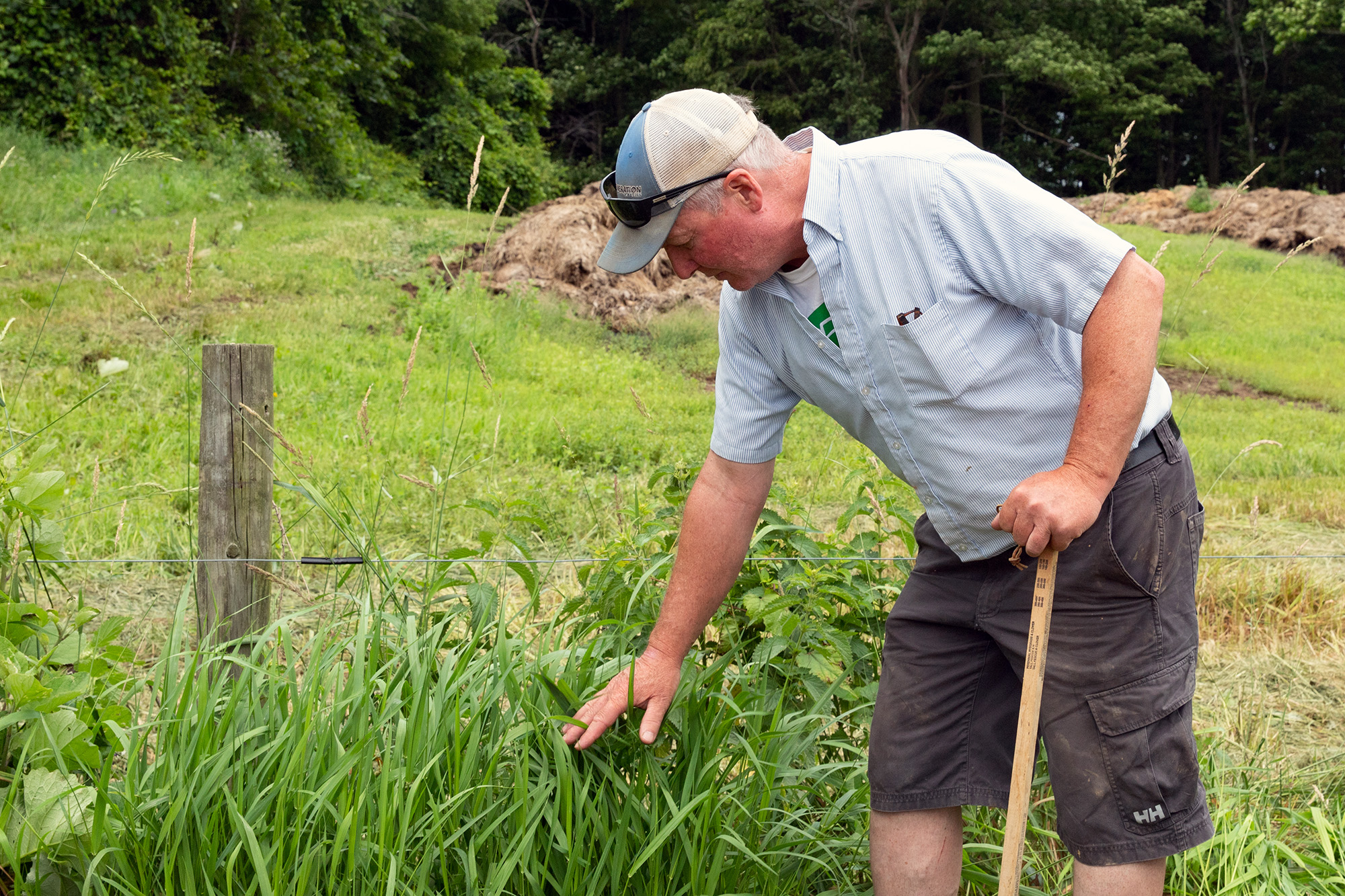
In my journal [from the visit] I wrote, “It is so encouraging to hear from the farmers here about their intricate process to prevent runoff into the lake. I can imagine the difficulties of doing this while maintaining an economically viable entity.” I especially enjoyed hearing about their specific runoff mitigation techniques. It was cool to learn about how perfect the conditions have to be for them to spread manure. It can’t be too wet or the manure won’t soak into the ground, and it can’t be too dry either. It was so interesting to stand around the manure pit and hear from Farmer Sam about biochar [that] helps reduce nitrous oxide emissions. Not only did I learn about a climate change mitigation strategy, but I learned about it in the place where it was actually getting used.
Shelburne Farms embodies what place-based learning is all about and connects to so many of the topics we have been thinking about in BCL. The farm teaches educators how to center their learning around the place where they are. Learning directly from the land, from the people who work it, and from the challenges they face makes environmental issues real rather than abstract. It also shows how solutions, like careful manure management or biochar use, emerge from deep knowledge of place.
We are grateful to partner with BCL throughout each semester to create transformative place-based learning experiences. Whether in the city or on the farm, BCL students consider the interconnections we share with the environments we inhabit — a perspective they’ll carry with them as they build lives in Vermont and beyond.
Comments
Well done, very well done. Thank you for this genuine dose of optimism.