Forest as Medicine: White Pine-Infused Honey Recipe

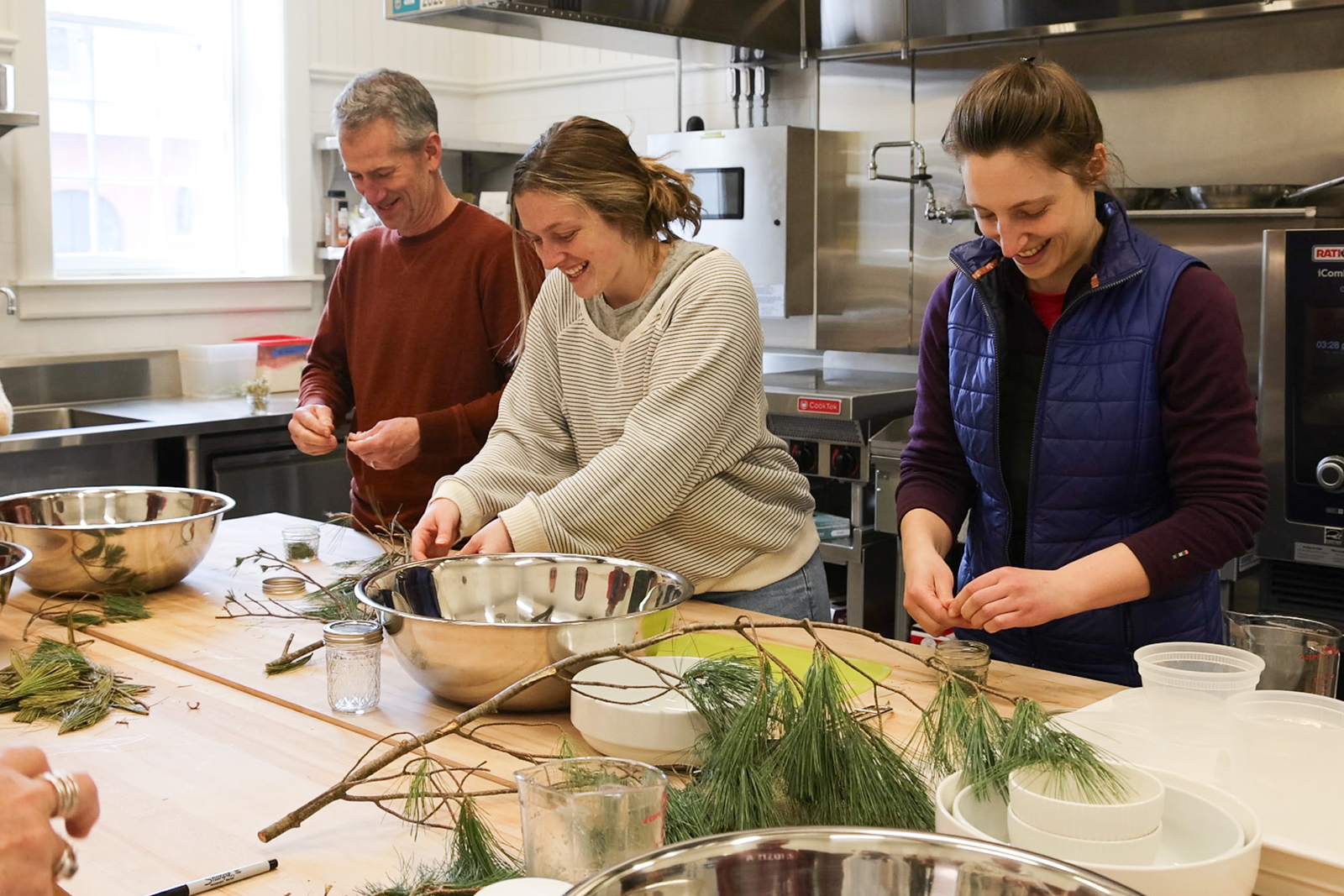
Taking a walk with herbalist Katherine Elmer can leave you seeing plants in an entirely new way. On a sunny Friday in April, Katherine led teachers in the Forest for Every Classroom program on a sensory walk in Shelburne Farms' woods. To the untrained eye, there wasn't much to see or smell. But guided by Katherine (co-founder of Spoonful Herbals) and herbalist Broni Grala, the early spring woods came alive with fragrant cedar, pine, and wild cherry.
Inspiring wonder in the woods and a connection to the land is what A Forest for Every Classroom is all about. In seasonal gatherings over the course of a school year, the program "plants seeds," providing lessons, tools, and ideas teachers can immediately implement in their classrooms.
Here's a simple recipe from that day: White Pine-infused honey, which has a bright, citrusy flavor and immune system-supportive properties. Enjoy it with seltzer water as a "mocktail," in a cup of tea, drizzled over a mild cheese, or straight by the spoonful. Teachers in our program savored a forest-themed snack spread, complete with chocolate bark, ants on a log, and a "charcute-a-tree" board!
Honey "is a really simple medium for receiving the medicine of plants, and a kid-friendly way to share herbs' benefits," explains Katherine. "You can use this same honey-infusion method with any plant that's rich in essential oils, like lavender or rose." Honey is an excellent preservative and has antioxidants and antimicrobials. Note that children younger than 12 months should not consume honey.
White Pine is native to the region and full of fragrant oils. White Pine is packed with Vitamin C and antimicrobials, medicinal properties well-known to Indigenous peoples for centuries, notes Katherine.
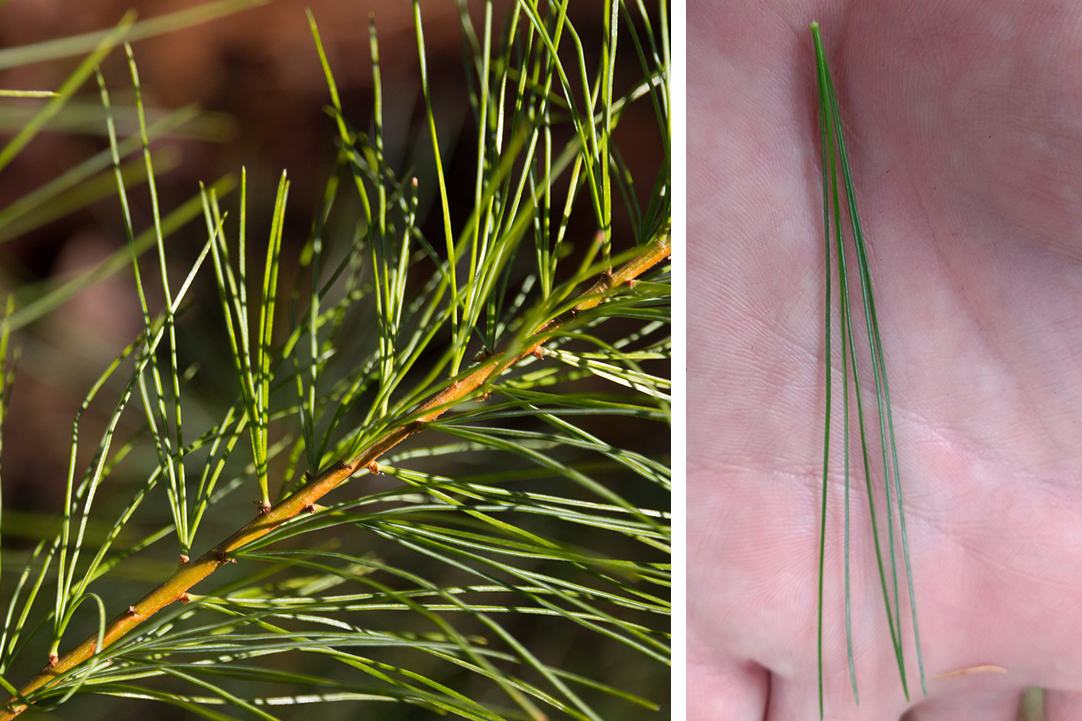
Harvest with caution and care. "There are a few toxic conifers out there. Avoid yew, juniper, cedar, Ponderosa Pine, Norfolk Island Pine, and any whose ID you aren’t sure of." Pregnant individuals should avoid consuming pine altogether. An easy way to distinguish White Pine from other conifers is by looking at its needles: needles grow in bundles of five and are thin, flexible, blue-green, and 4 inches or longer. (More photos to help you identify White Pine.) Harvest needles in spring from your backyard or natural area (Katherine points to Robin Wall-Kimmerer’s Honorable Harvest tips) and use while still fresh.
A Forest for Every Classroom is typically offered for educators every other year with our partners Marsh-Billings-Rockefeller National Historical Park and the U.S. Forest Service. Join our mailing list to be notified when registration is posted.
White Pine-Infused Honey
Ingredients
- White Pine needles, see above for safety tips
- Liquid honey
Method
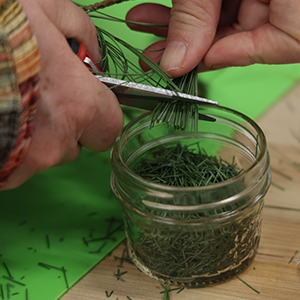
- Remove needles from branches, wash if desired, and roughly chop using a knife or kitchen scissors.
- Place prepared needles in a mason jar of your choosing until three-quarters full. Fill jar with honey, enough so that the needles are completely covered.
- Cap jar and allow to infuse at room temperature for 4–6 weeks (traditionally, a full moon cycle).
- Strain to remove pine needles. Store finished honey for up to one year at room temperature or in the fridge.
Partners