
Five Fascinating Facts About The Lake Champlain Basin

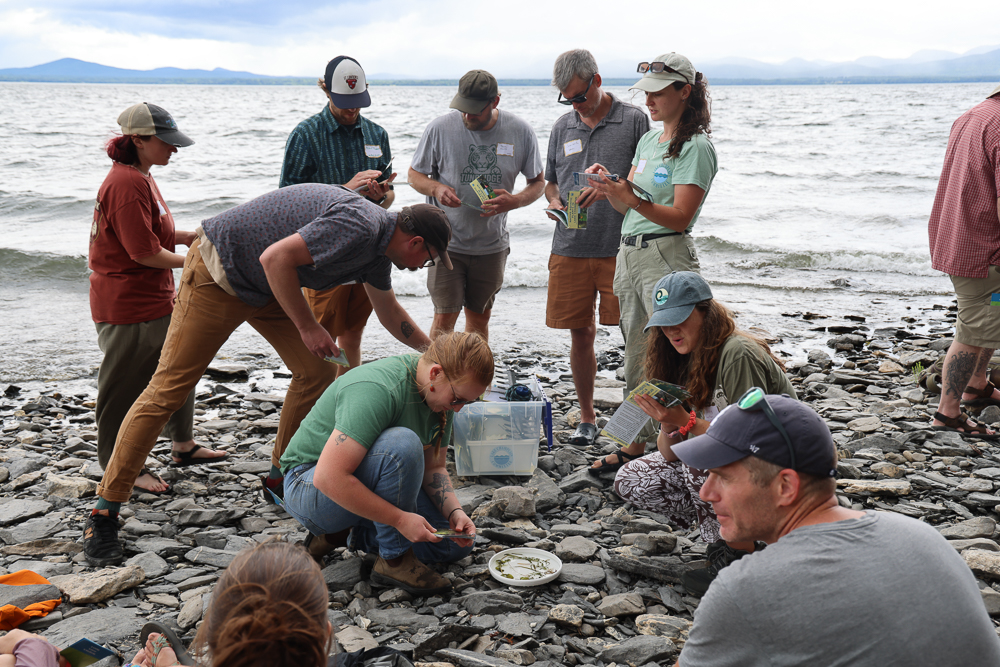
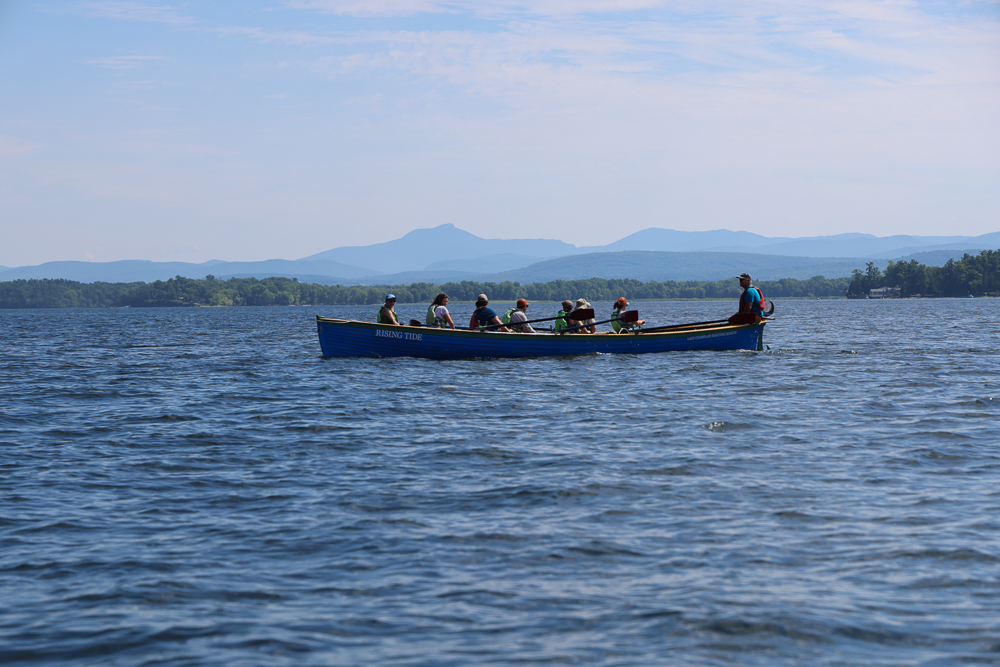
Watershed for Every Classroom is a hands-on, action-packed program that immerses teachers (pun intended) in learning about the interconnected, expansive Lake Champlain Basin. So far, the group has rowed longboats across the lake, studied the shoreline geology of Shelburne Farms, observed migratory birds in Missisquoi Wildlife Refuge, and seen research unfolding in the University of Vermont’s lakefront labs. These teachers, in turn, will bring the watershed to life for students, supporting their understanding of, and care for, the planet.
“Everyone lives in a watershed, and understanding what that means is essential to building a meaningful sense of place,” says Emily Schaller, a Shelburne Farms educator and one of the program’s facilitators. “Engaging teachers and students in their local waterways can be such an effective—and fun!—way to make interdisciplinary connections come to light, and to really use the community as context for learning.”
You’re invited to come aboard and learn what makes the Basin special.
1. Our watershed’s land-to-lake ratio is unique, about 18-to-1.
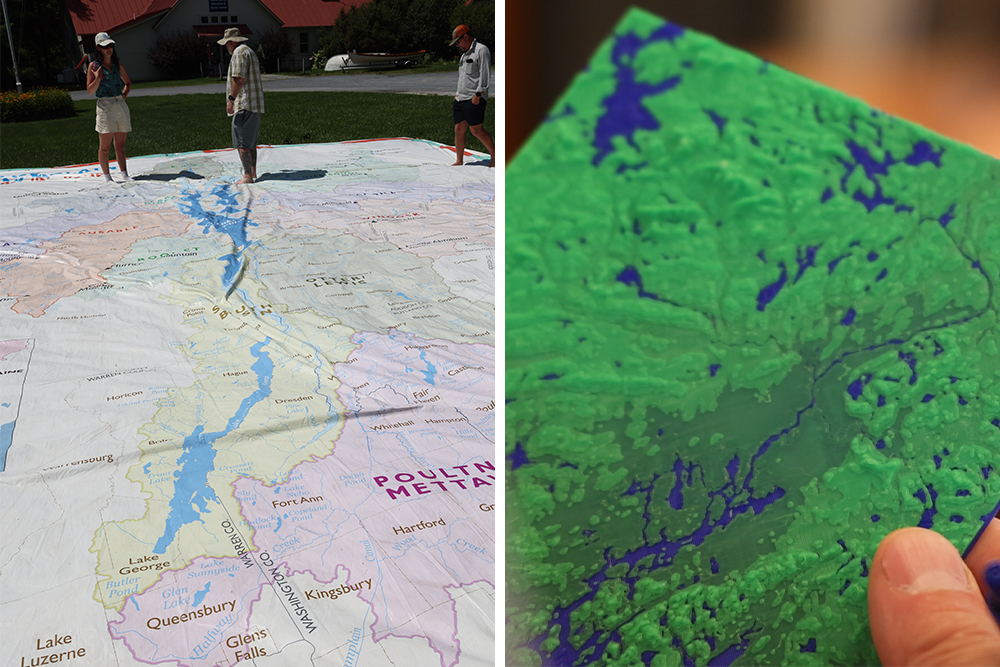
Lake Champlain is filled with water carried by rivers and streams across a massive amount of land. This drainage area is about 18 times greater than the surface area of the lake itself. That ratio is many, many times greater than the watersheds of the Great Lakes! 8,000 square miles of land in Vermont, New York, and Quebec feed into the lake through 31 major tributaries. This means what people do many miles from the lake can impact its ecosystems. As Judy Dow, an educator of Wabanaki and French Canadian descent, shared with the group, the health of the water, the land, and its people are all intertwined, a fact the region’s Indigenous peoples have known and lived by for thousands of years.
2. There’s more to the story of cyanobacteria than toxic blooms.
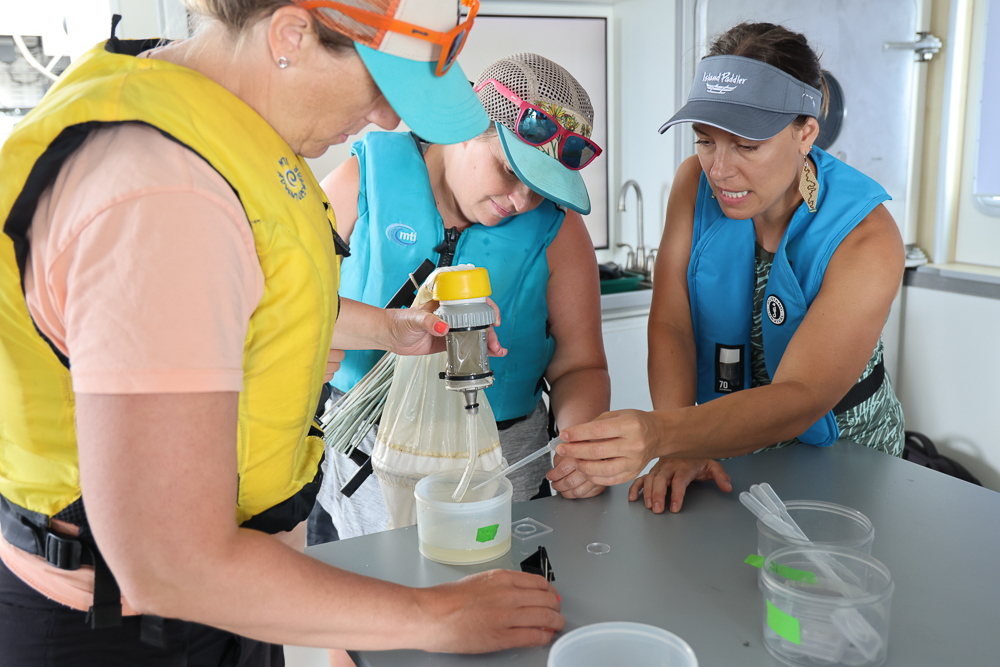
Cyanobacteria, commonly called blue-green algae, are responsible for the cloudy blooms that pose potential threats to humans and animals. But these naturally occurring bacteria also have a very important job of producing oxygen, said Ashley Eaton, Watershed and Lake Coordinator of Lake Champlain Sea Grant and UVM Extension. “I feel cyanobacteria get a little bit villainized, but they’re also of great service to us.” Cyanobacteria and other plankton produce more than 20% of the oxygen in our atmosphere, a higher percentage than all tropical rainforests combined, according to NOAA.
While cyanobacteria are a natural part of the ecosystem, they do pose a challenge to water quality, especially as hotter weather warms the surface temperature and too much phosphorus enters the lake, both of which fuel blooms. Not all cyanobacteria produce blooms, and not all algal blooms are necessarily toxic, but you should always treat them with caution; more information about how to recognize and prevent blooms can be found on the Lake Champlain Committee’s website.
3. Lake Champlain is home to 300+ shipwrecks.
Shipwrecks have been discovered in the lake from every era of human activity, from pre-contact Native American vessels to Revolutionary War gunboats and 19th century steamboats. Lake Champlain even has its own underwater historic preserve. Managed by the Lake Champlain Maritime Museum, divers can visit twelve of the lake’s historic shipwrecks from May to October. Read more about the lake’s shipwrecks.
4. Lake Trout have made a comeback.
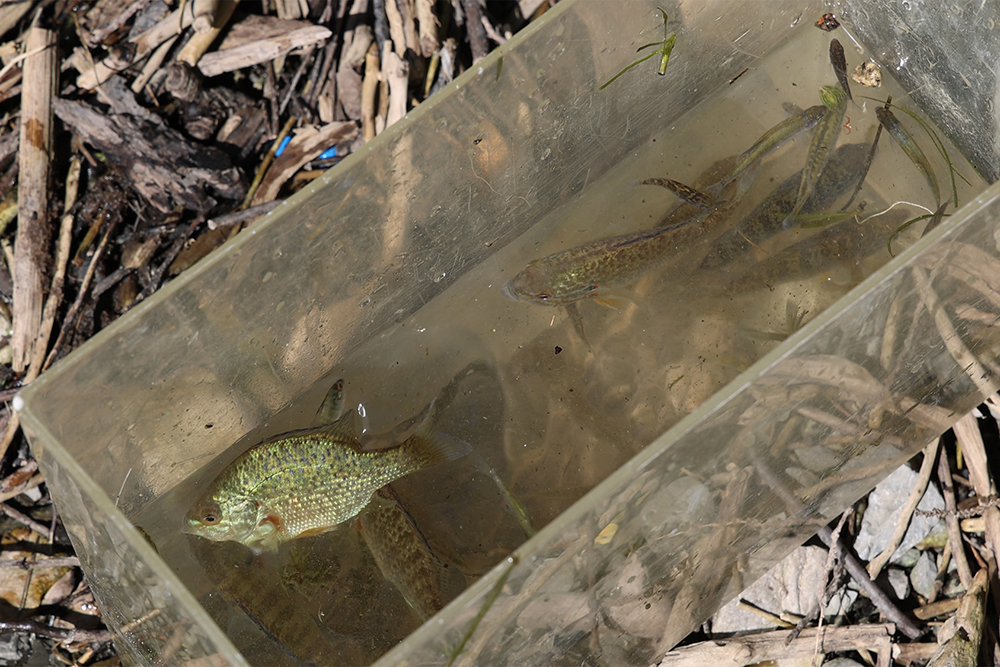
These locally evolved fish disappeared from Lake Champlain by 1900 (the reasons remain a mystery), but have now rebounded thanks to a number of restoration strategies, including restocking the basin with fishery-raised lake trout (a practice that ended in 2025) and an aggressive program to control parasitic sea lampreys, which prey on trout. But as the Lake Champlain Committee describes, trout show “ecological relationships are rarely black-and-white, and just how complex aquatic food webs can be.” One example: Alewife, a fish first discovered in Lake Champlain in 2007, has been harmful to many species in the lake, but researchers believe alewife may have provided a “fatty addition” to trout’s diets and actually supported their comeback. The complicated nature of managing introduced species like these comes up time and time again in this program.
5. The Champlain Valley was once covered by tropical waters.
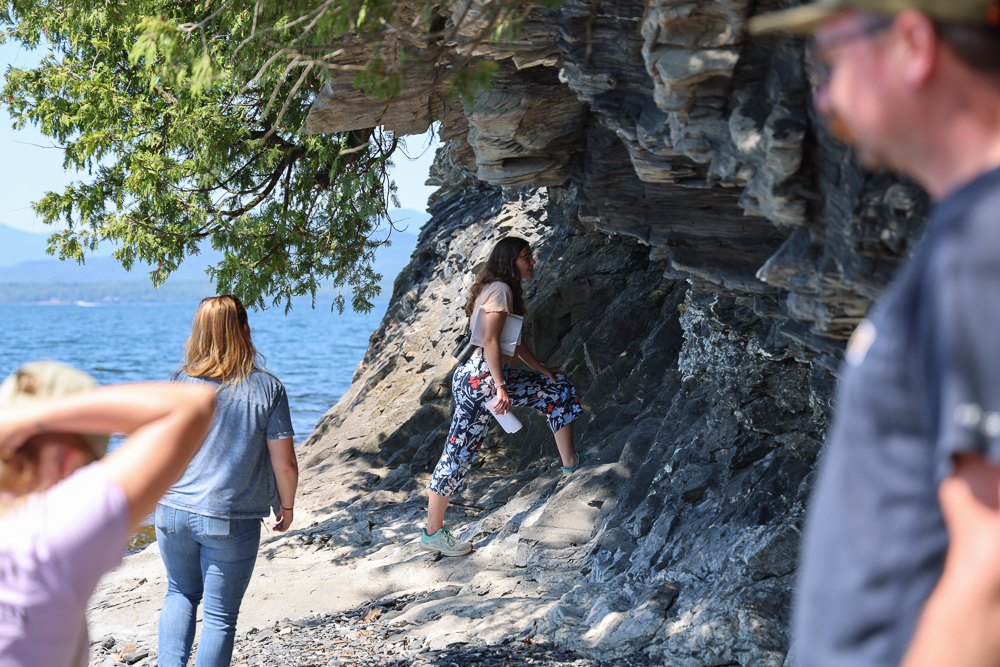
Vermont may not feel tropical today, but 600–370 million years ago, what is now the bedrock of the Champlain Valley was covered by a shallow sea known as the Iapetus Ocean. (Almost all of the earth north of the tropics was ocean during that period.) The oldest fossil coral reef in the world, on Isle La Motte, formed during this time, too. 450–430 million years ago, crustal plates began colliding and compressing to form new mountain ranges, including Vermont’s Green Mountains. Shelburne Farms and its fertile soils were shaped by these ancient forces, forces you can still get a sense of by walking the lake’s shores today, said Walter Poleman, director of the University of Vermont’s field naturalist program. Read more about the geology of Shelburne Farms.
Join our educator mailing list to hear about the next offering of A Watershed for Every Classroom and other professional learning opportunities.
A Watershed for Every Classroom is presented by the Champlain Basin Education Initiative, a community of organizations engaged in watershed education.
Partners


