
Why Sustainability Academy Shouts For Trout

“Do trout dream?” a fourth grader asks.
The classroom goes silent for a moment as students and teachers consider the inquiry.
“That’s a great question,” replies educator Kestrel Plump, sustainability coach at the Sustainability Academy in Burlington, Vermont. “I don’t know! I’ll do some research. I’m feeling a little bit excited because the questions you’re asking, you’re thinking like research scientists. Asking questions—more so than answering them—and trying to investigate is what scientists do.”
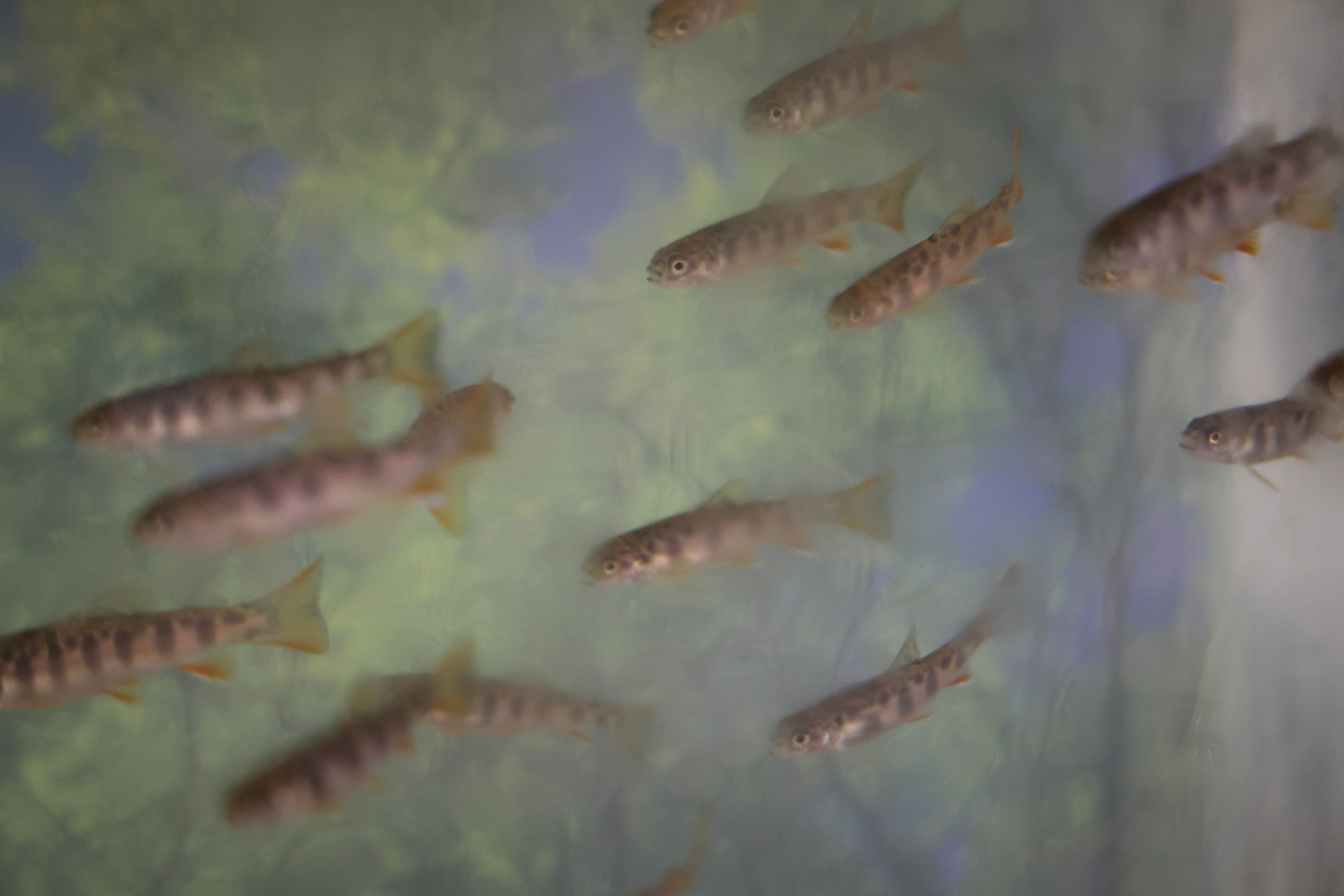
Over the last five years, Sustainability Academy’s study of brook trout has bloomed across the school and far beyond, driven by students and dedicated staff. It all began as part of the state’s Trout in the Classroom program: with support from Trout Unlimited, students raised 100 baby trout in a tank and released them into the Huntington River at the end of the year. It’s now so much more. “Fast forward, and brook trout have become the symbol of our school,” says Kestrel.
As fourth grade students raise the trout from January to May, they observe the trout’s lifecycle. First graders study plants and trees, asking questions like, what do dead logs add to watery habitats? Second graders study insects including aquatic macroinvertebrates. Fifth graders focus on ecosystems, exploring topics like the impacts of clean water. All students take field trips to Shelburne Farms, connecting how the health of farms, wetlands, and the larger watershed affect the health of local fish. (Field trips are just one way Shelburne Farms supports the essential work of Sustainability Academy; the school opened in 2009 through a collaboration between the farm, the Burlington School District, and the community.) Back in the art room, students use their knowledge to design and construct collaborative pieces celebrating the plants and animals they’ve studied.
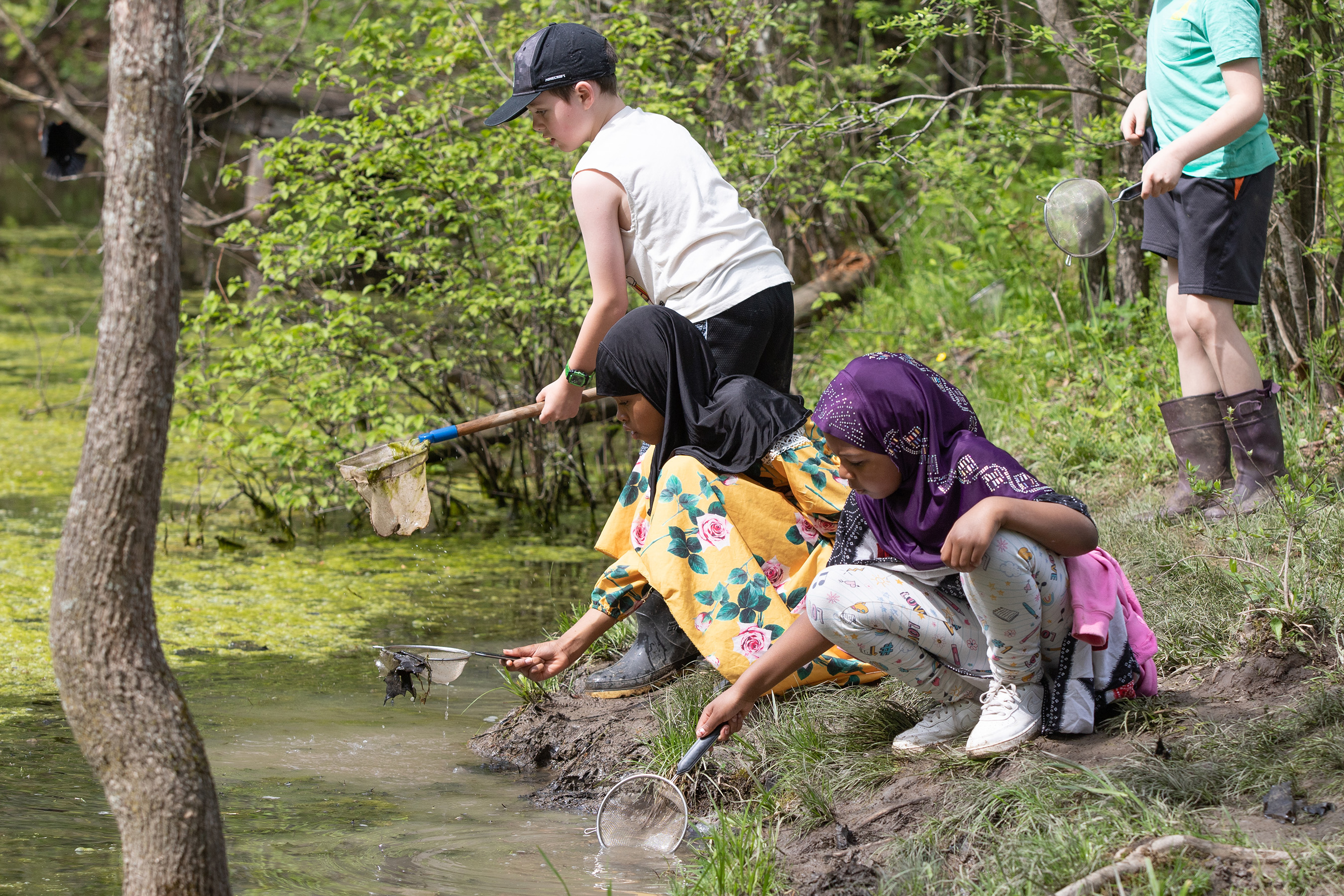
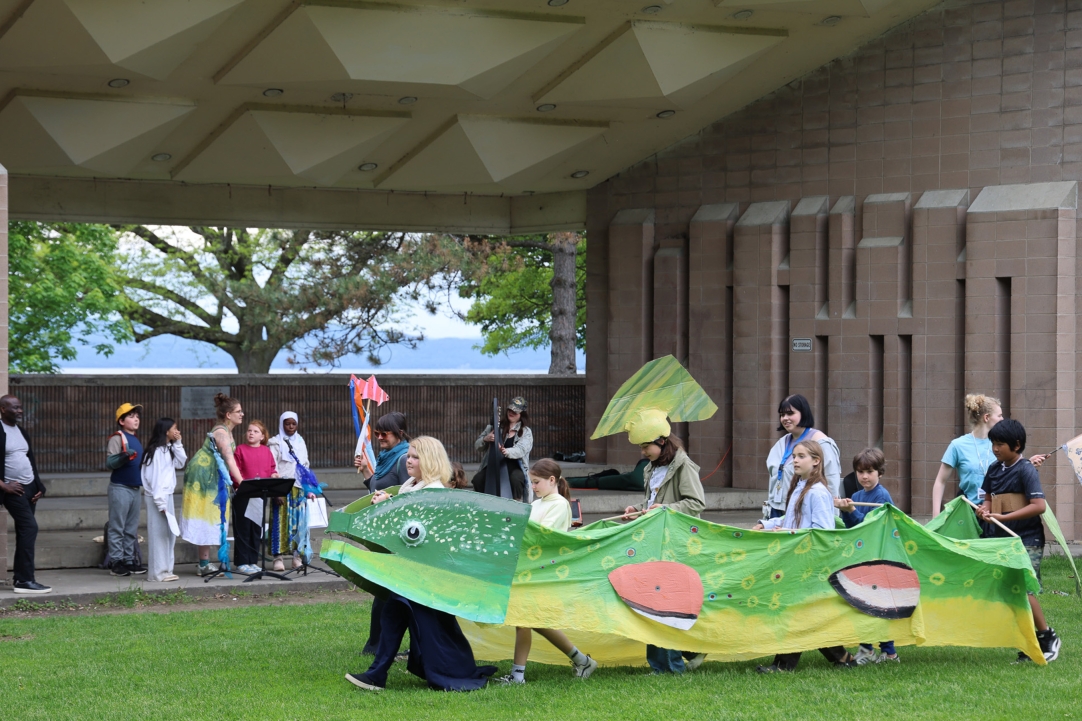
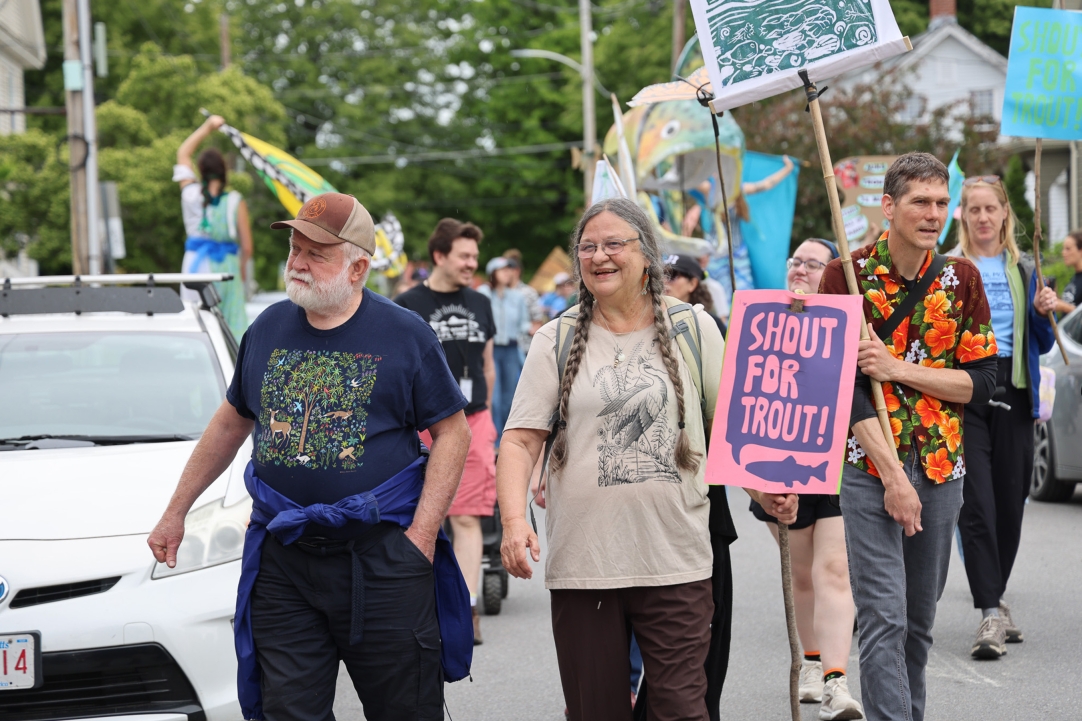
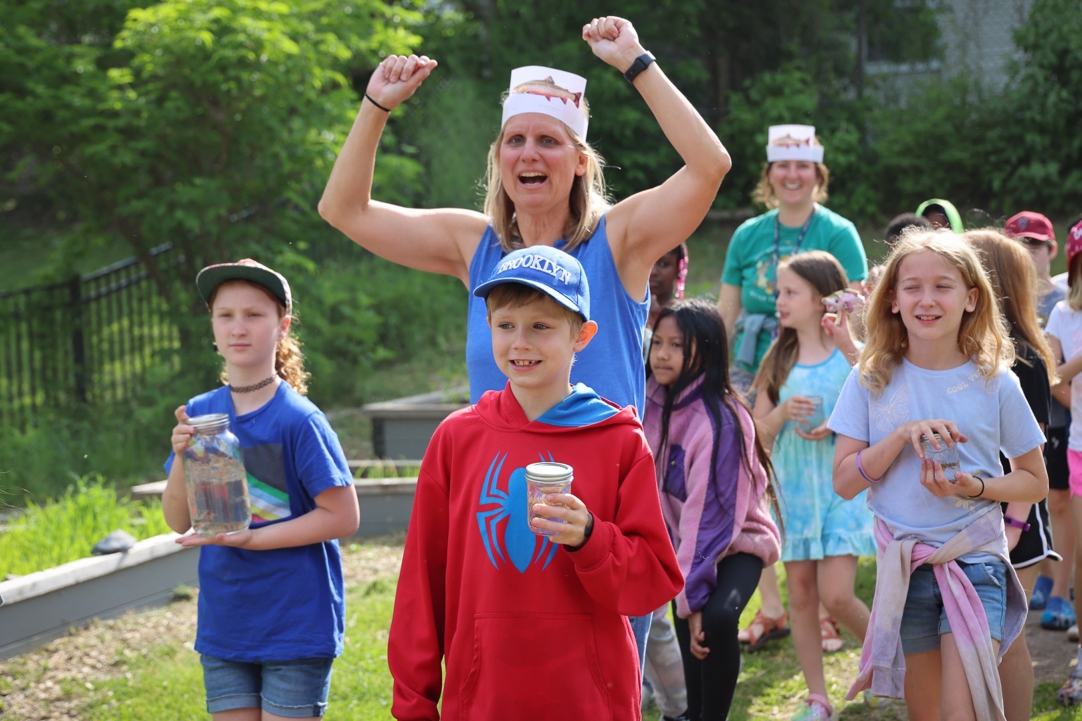
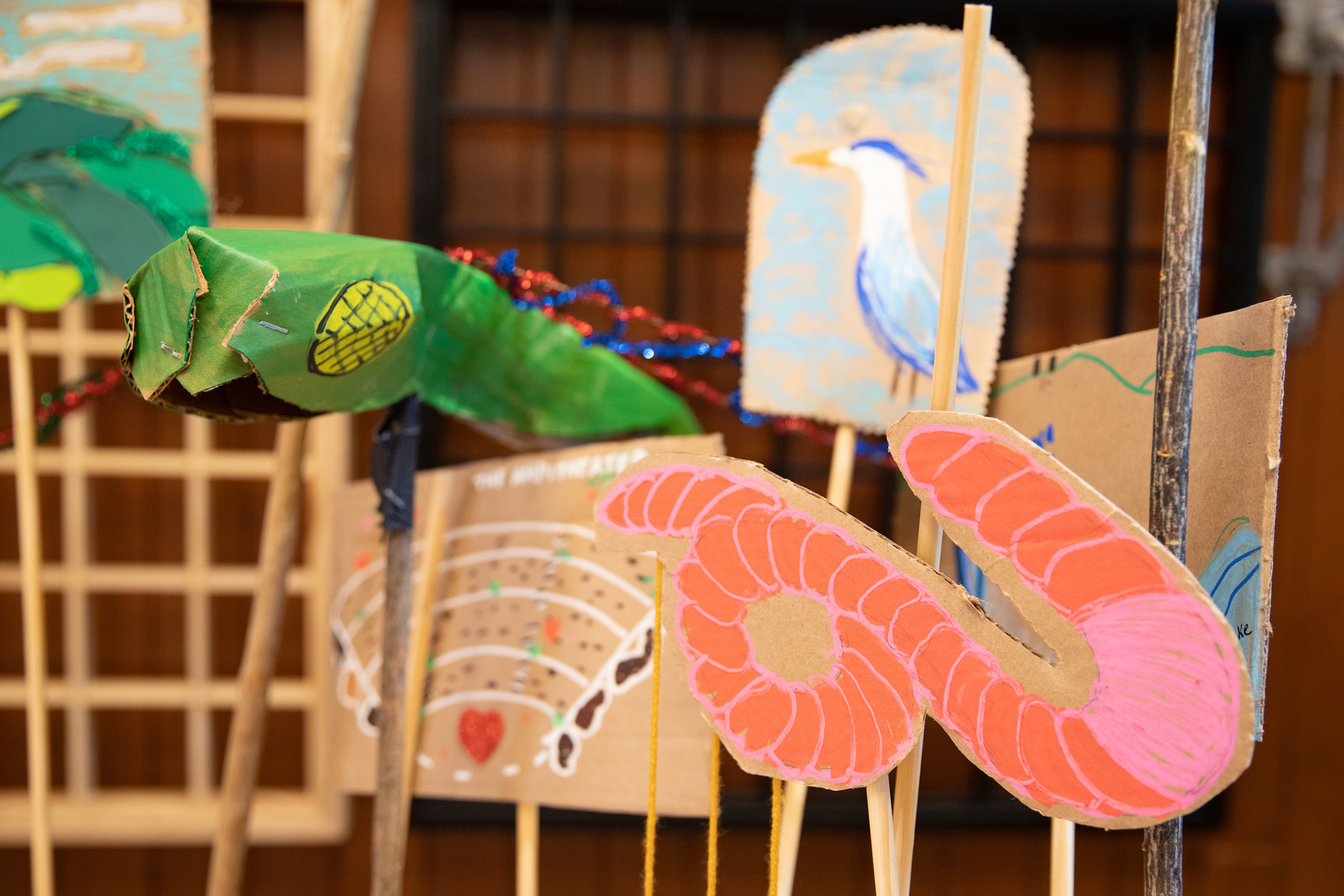
This enthusiasm for trout flows beyond the school walls. In May 2026, before the fish were released, there was a citywide parade—put on with community partners including Flynn Center for Performing Arts and local artists—complete with artful, large-scale puppets of trout, birds, bugs, and more. It culminated in a student pageant at Burlington’s Battery Park, a vibrant, joyful celebration that honored Vermont’s waters and the creatures that swim, fly, and crawl around them.
-
 Andrea Estey
The 2026 Trout Parade culminated in a student pageant at Burlington’s Battery Park.
-
 Andrea Estey
The community was invited to participate in this joyful celebration of trouts, birds, bugs, and more.
-
 Andrea Estey
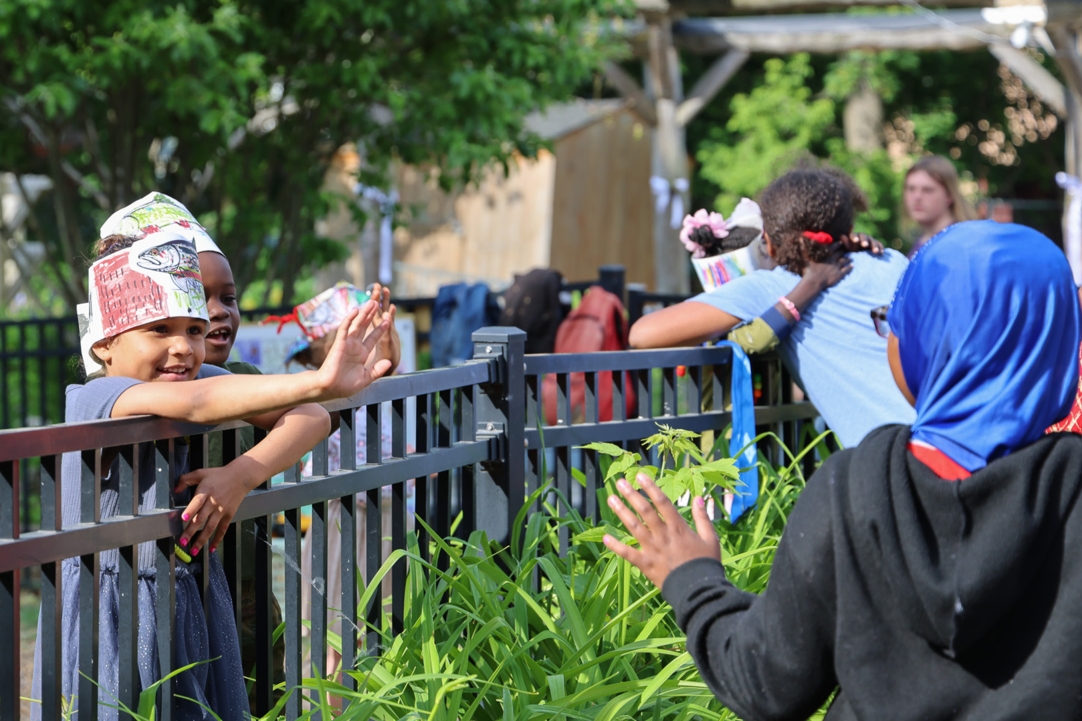
Joy for trout, across the grades!
-
 Andrea Estey
The parade has grown over the years, from a small celebration around the school's ball field in 2024.


“The most important thing to me is that students have a connection to the more-than-human world and understand that these relationships are critical to our wellbeing. We’re all interdependent,” says Kestrel. Interdependence, diversity, community, and the big ideas of sustainability have always been at the core of the school: Sustainability Academy was the nation’s first K–5 magnet school with a sustainability theme.
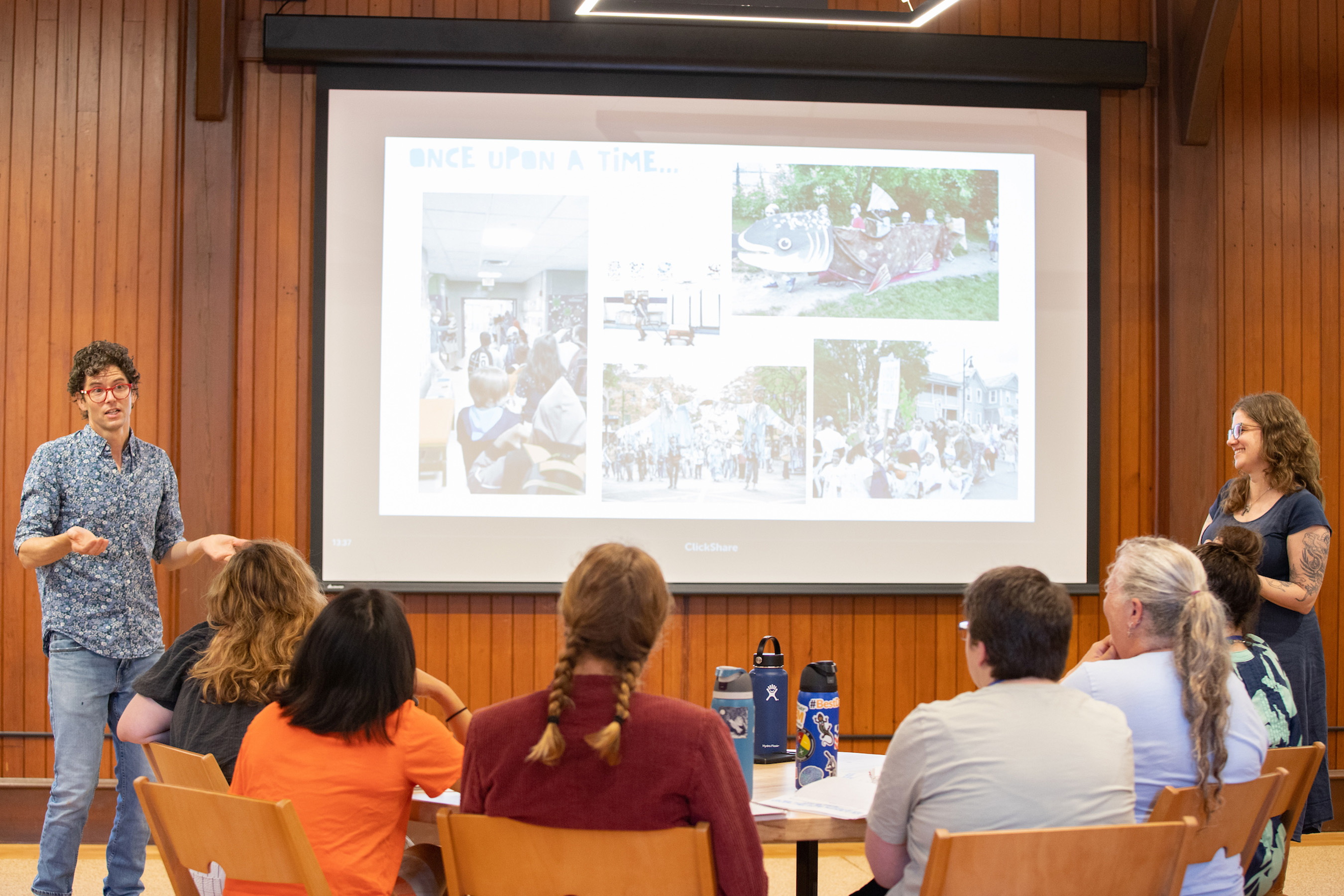
Kestrel and Dave Paarlberg-Kvam, art teacher and project-based learning coordinator at Sustainability Academy, shared their work with educators at our Foundations in Education for Sustainability workshop in July 2026. Trout, says Kestrel, provide an “armature for building curricular connections throughout the year.”
Trout studies are woven into grades preK–5, most explicitly through literacy and art, but fourth graders, dubbed the school’s “trout ambassadors,” do the most intensive inquiry. They check the tank daily and learn about trout habitat, lifecycle, and adaptations. “In literacy we study animal adaptations, so it connected pretty perfectly,” says fourth grade teacher Julia Marchessault. “As students learn about how trout survive and thrive, they practice through the lens of research, reading, and writing.” Students wanted to share their knowledge with the rest of the school and broader community, so they created materials including ‘zines, multilingual posters, and a podcast, Trout Tales.
Beyond content knowledge, the trout project has shaped school culture. The trout tank is highly visible in the lobby and is surrounded by a mural, a visual story of the ecosystem that trout are a part of. Also surrounding the tank: fan art, thank-you notes, and heartfelt goodbye letters written by students of all ages. So what is it about these humble trout that elicits such strong feelings? “As the trout grow, we learn a lot about their lifecycle from when they hatch as alevin to when they’re ready to swim in the wild. It’s like watching them grow up,” explains fourth grader Maya in the Trout Tales podcast. “We don’t just watch them though. We also test the water every week to make sure it’s perfect. We also feed them special fish food and observe their behavior. By the time June comes, our trout are ready to leave the tank and return to their home in a local stream. It’s a big moment, not just for the trout, but for us too, because we know we’ve helped them with a strong start in life.”
“Brook trout are amazing because they can tell us a lot about how healthy our rivers and streams are. They only live in cold, clean, fresh water with lots of oxygen. So if you see a brook trout swimming in a stream, that’s a good sign. But if they’re missing from places they used to live, it could mean that something’s wrong, like pollution, warmer water, or changes to the land. That’s why scientists call them an indicator species. They help us keep an eye on how the ecosystem is doing,” says another fourth grader. “Brook trout also fit into the food web. That means they eat aquatic macroinvertebrates like mayflies and caddisflies, and then other animals like birds and otters might eat the trout. Everything is connected, so when we help protect brook trout, we’re helping protect the whole ecosystem.”
“Creativity, emotional openness, a sense of real, deep connection, those are all at least as important as academic knowledge and content learning,” says Kestrel. “There’s something so fierce and courageous and powerful in standing up to say, I care about this. That’s what makes you a changemaker. It starts with brook trout, but hopefully, that’s transferable.”
Adds Dave, “One of the things that I really have a lot of appreciation for is that students can see others being enthusiastic about something like a trout and see that that’s OK. Ultimately, the students’ six years with us are about identifying who they are, what they care about, and how they can see themselves as changemakers. By coming along that path, grade by grade, and being part of this narrative that we’re telling about trout, they can see what’s possible.”
While the brook trout is the main character in Sustainability Academy’s story, Kestrel and Dave invite fellow educators to consider, who are the “unsung heroes” in your ecosystem? “Through creativity, through joy, through collaborative partnerships, through a lot of the ways of thinking that you’re being encouraged to consider here at Shelburne Farms, something small, like trout, can grow into something big for your school, students, and community,” says Dave. “When a community rallies around an identifier, really creative things can happen.”
Partners