
Introducing Our New Collaborative Resource: "Celebrating Our Roots"

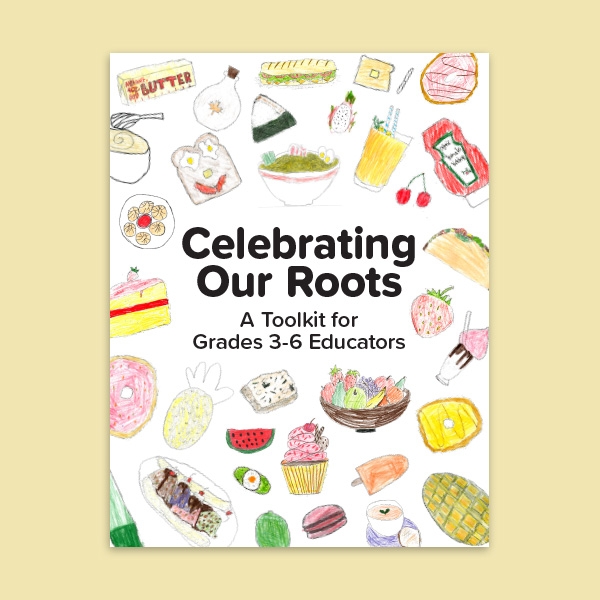
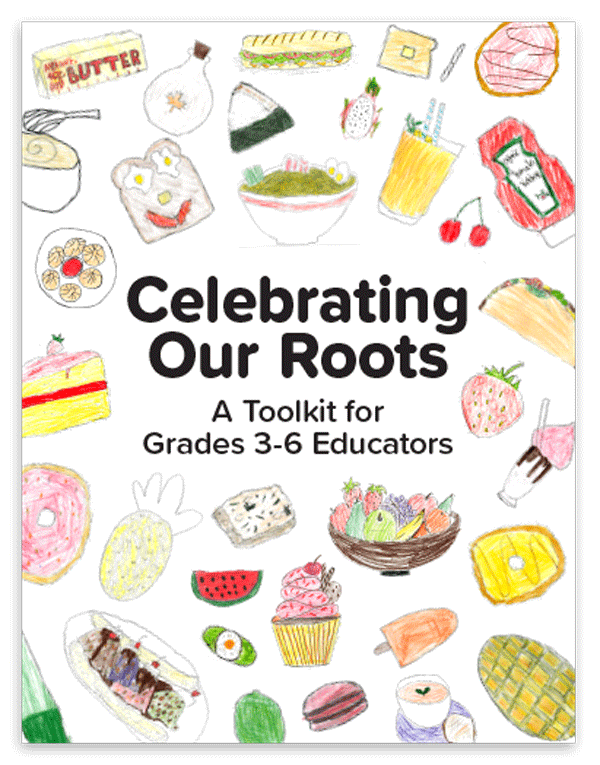 Every student carries a story about food: an ode to a favorite dish, a treasured family recipe, or a memory of a celebratory meal. This toolkit, created for grades 3-6, offers 21 lessons organized into three phases for helping students explore identity, culture, and belonging through food.
The toolkit was written by Aziza Malik, Kate Mattina, and Sara Brown, educators at Champlain Elementary in Burlington, Vermont. Learn about the project's inspirations and intentions, in their own words:
As teachers, we’re constantly revising and refining the way we showcase stories in our classrooms. We ask ourselves: How do the stories we share and invite others to share shape our students’ understanding of power, identity, and their own self-agency? How can we create a classroom community that draws inspiration from a diversity of lived experiences? This toolkit is one way to explore these questions.
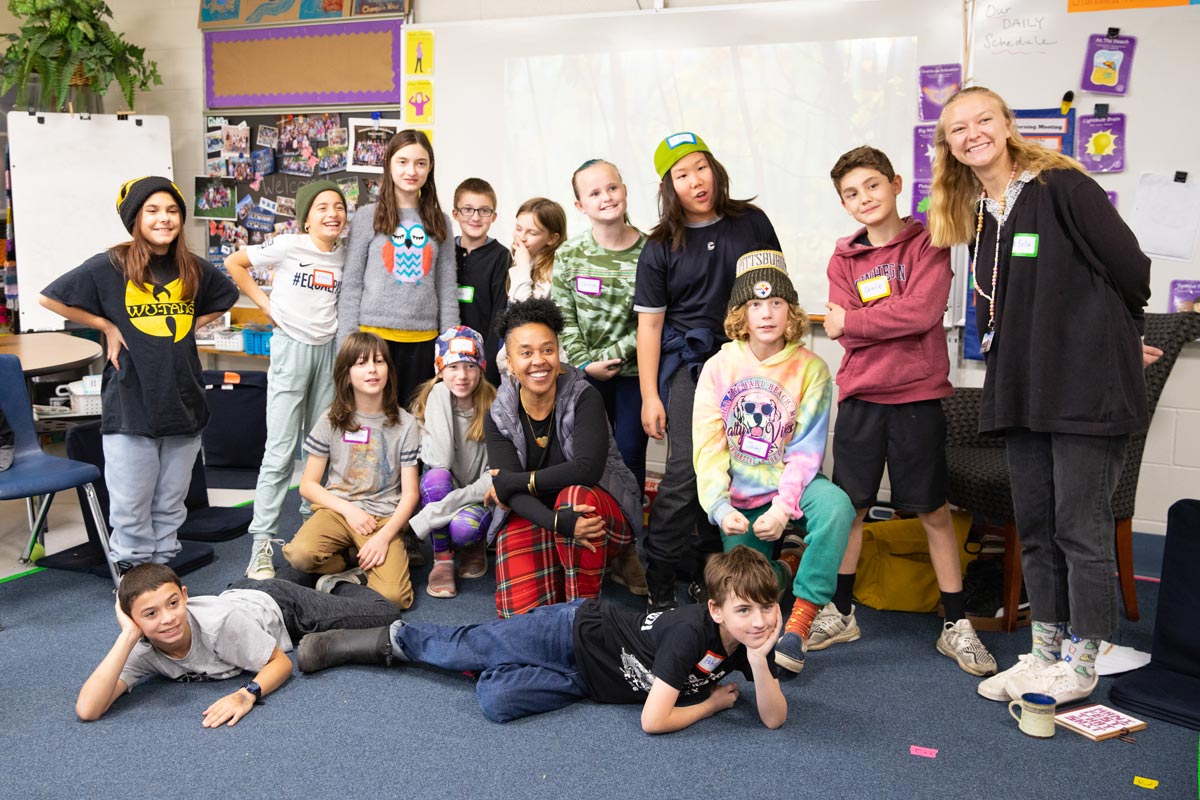
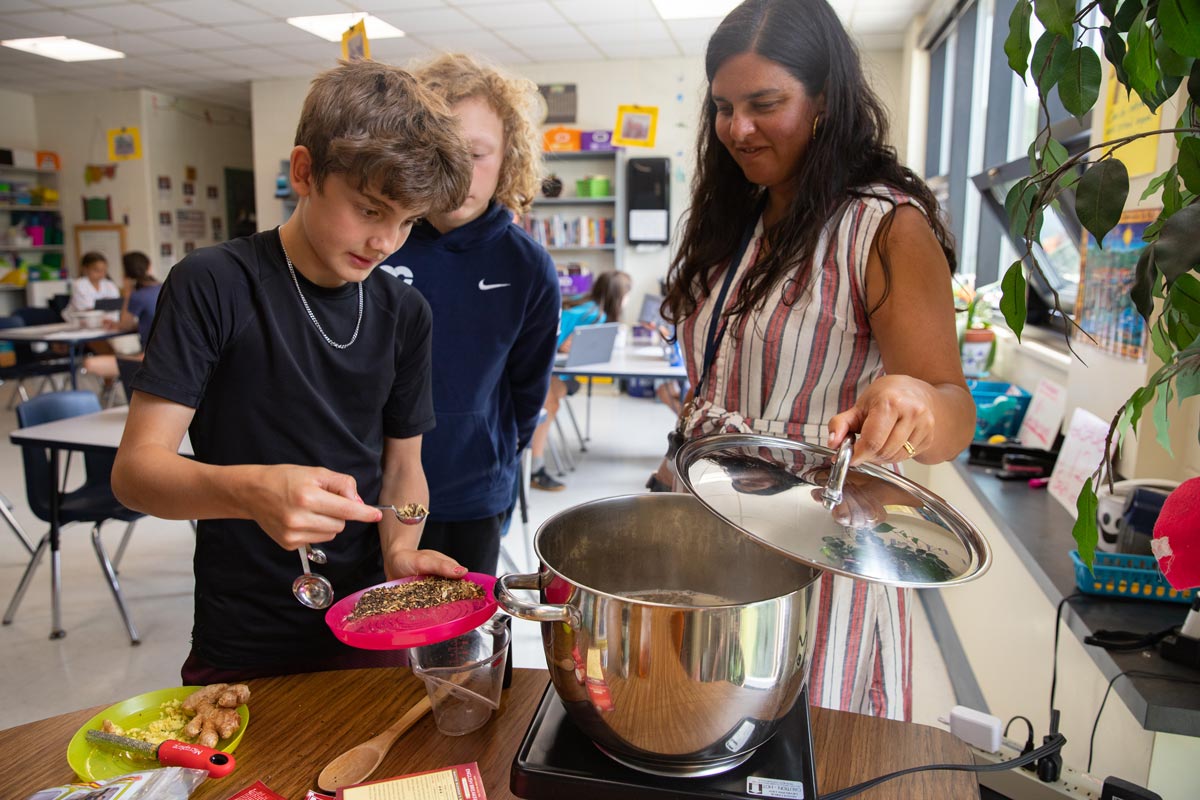
Some of our favorite moments from workshopping these lessons showed us there are many different ways to share a piece of our identity through our stories about food. One student’s ode, “I Hate Broccoli,” made the whole room erupt in laughter. Another student shared about a time when her family was unhoused, and treats were hard to come by—that one made us think, and made us grateful for her trust in us. When a teacher shared about her family’s tradition of making chai tea, a student brightened in recognition of its similarities to his own family’s chai recipe.
There are so many small moments that led to this toolkit. Perhaps the defining moment was when a student from Colombia offered to show our class how to make arepas. He invited his grandparents into the class via Zoom to lead us all in making them, as he expertly translated for us! What ensued was chaotic, messy, and very fun. The family inspired us to invite all our students to share their food stories.
This toolkit has three phases: Identity Exploration, Food Stories, and Collaborative Cookbook. You can use them at the start or end of the school year, spread them out, or do them all together. Each section builds on the next, but you can also teach just one if that’s what works best for you. We know that time is precious and limited—and yet, making space to share and connect is so very important, even if just a bit here and there. These lessons are designed for that reality.
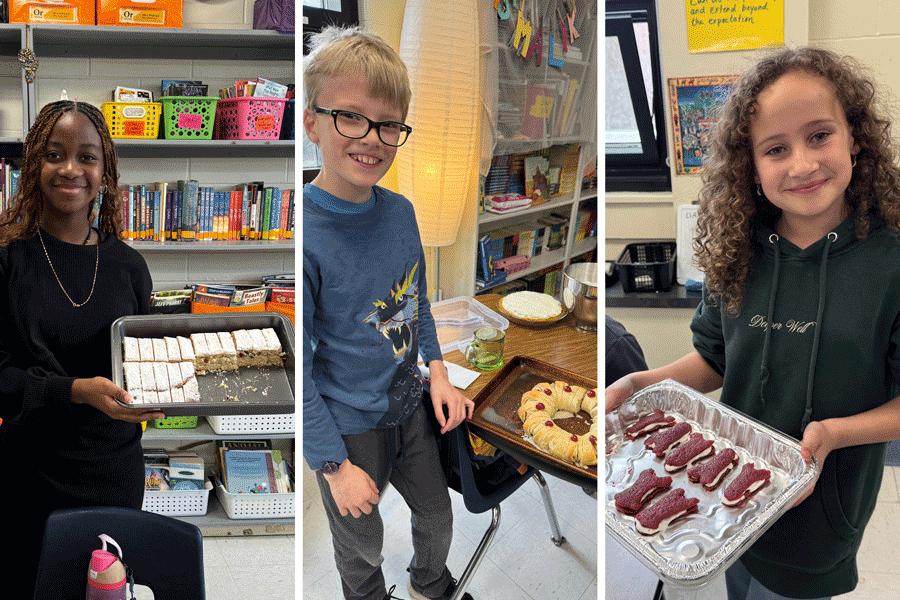
Many thanks to our students: Your curiosity and your vulnerability inspire us to grow, learn, change, and improve our teaching practices, always. We are so grateful to teach and learn alongside you.
Watch these lessons in action in Aziza Malik’s fifth-grade classroom and read more about how Aziza has integrated cookbooks and recipes into her curriculum.
Partners