Meet 2025–26 Post-Graduate Fellow Cate MacDonald

For several years, Shelburne Farms has welcomed educators who are early in their careers for fellowship positions. While leading programs and living here on the farm, fellows gain a unique, immersive perspective on Education for Sustainability, and lasting lessons about what it means to be transformed by a place.
Cate MacDonald graduated from the University of Vermont in 2025 with a degree in Geography & Global Studies, a minor in Food Systems, and a Place-Based Education Certificate. She is now wrapping up a year teaching with Burlington City & Lake Semester and Shelburne Farms' school programs. Below are her reflections on this experience.
In your own words, how would you describe this fellowship position?
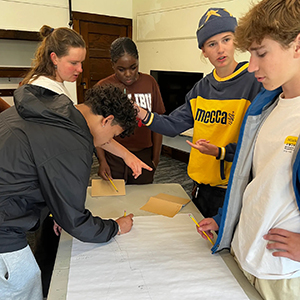
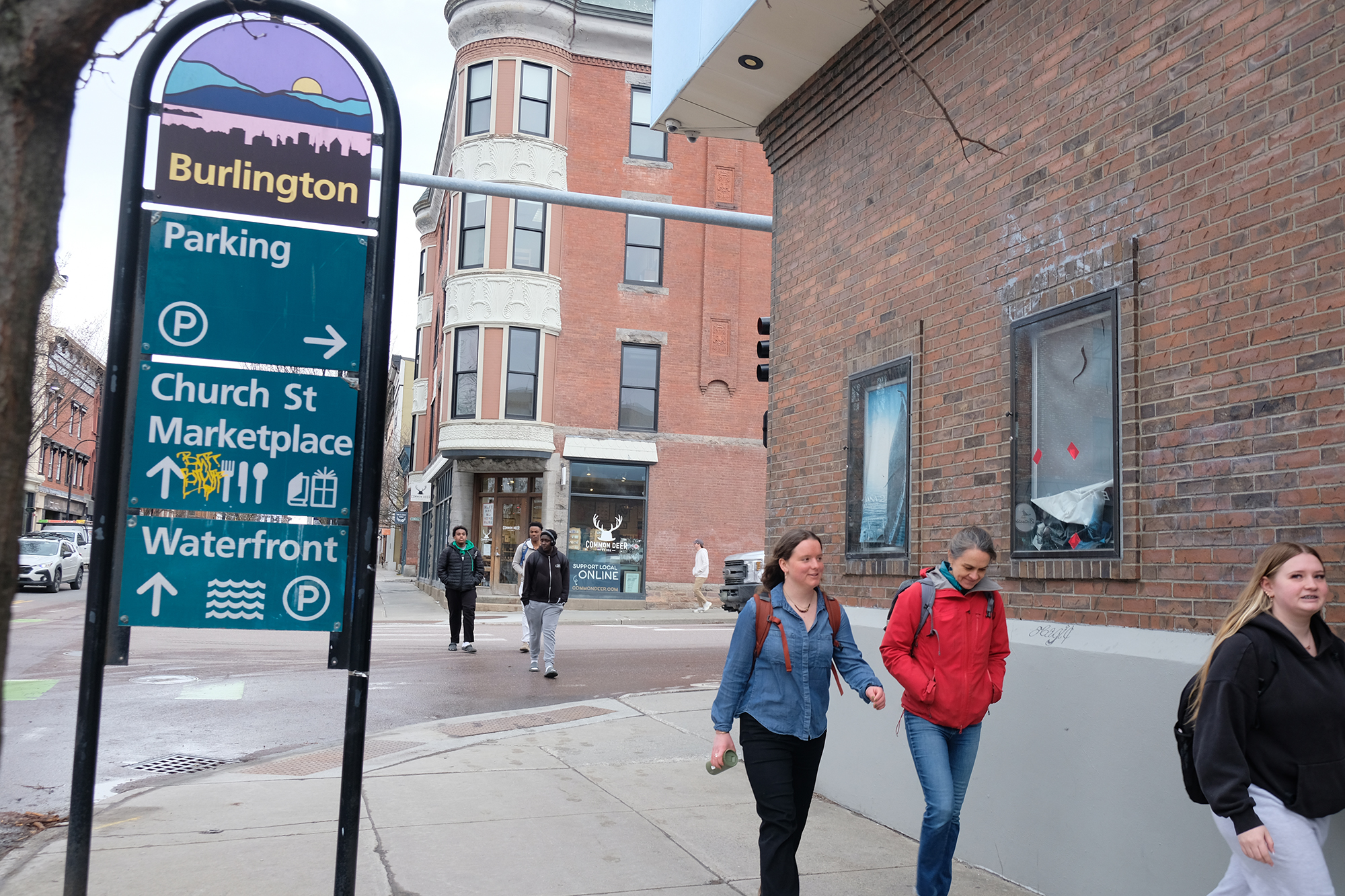
Burlington City and Lake Semester is an experiential, very hands-on, immersive, city-based program for Burlington high schoolers. It's really about learning what it takes for a community to operate, including spaces to come together, to have housing and transportation, to access food and healthcare. We also talk a lot about non-human neighbors and what it takes for them to thrive. We use these local issues to think about global issues, so in that way, by learning about Burlington, we're learning about all communities. As a geography major, I would also describe BCL as an urban studies or city planning semester program.
And I'm a teaching fellow. One of the best things about this job is that I'm constantly learning, not just from BCL teachers Dov Stucker and Christie Beveridge but also from our students, from the community members we work with, and from Shelburne Farms educators—including Aimee Arandia Østensen—about facilitation, what 'place' means, and what 'learning' means. I've been as much a student as a teacher.
Since you weren't an education major, how did you come to the realization that you wanted to go in the direction of education?
In my junior year of college, I had an epiphany that I'd actually already been a teacher in many ways—in outdoor education programs and leadership programs for high schoolers, and in mentoring fellow UVM students—and that it was something I loved doing. That led me to the Place-Based Education Certificate. In those classes, I saw that geography and place-based ed are built on the same theories. Both fields are about being rooted in and connected to place. From there, I was able to see a really clear path for myself in education. This is the kind of education that makes sense to me.
As a UVM grad and a geography major, it sounds like you already knew Burlington well. What has BCL taught you about the city that you didn't already know?
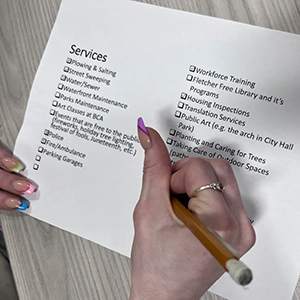
It's been a really incredible experience to pull back the curtain on the city alongside our students. It's a small enough place that you can draw connections between how city systems interact. One partner we've worked with, Kara Alnasrawi from the Community and Economic Development Office, works directly with Mayor Emma Mulvaney-Stanak. She explained to us how the city budget works and the hard decisions she has to make. That's just one example of ways we've gotten behind the scenes of how Burlington operates.
What else will stick with you from this experience?
It's been so cool to see how eager community partners are to work with us and get input from youth. To see adults, even those who work in high ranks in the city, really value student voice. That's what BCL is all about, empowering students to use their voice and dive into things that they care about. That's systems change in action!
A favorite memory happened last semester. Students worked with an artist to make protest art about issues that were important to them, everything from mental health to sex education to politics to animal rights. They hosted an event in a community space to unveil their art and it was so creative, from the lighting to unveiling a massive collective piece. At the end of the night, we invited community partners and parents to share their reflections on the event. It was clear that the audience left feeling very hopeful and confident in this generation of students. There were a lot of people expressing feeling almost revitalized or pumped up with hope.
How have you seen students change through this program?
One of the most fulfilling parts of my role is seeing how BCL works for so many learners. We can meet students exactly where they are. And we build really deep relationships with students because we work so intensively and immersively with them. We're able to tailor what we're doing to work for them, while also challenging them to jump out of their comfort zone and try new things.
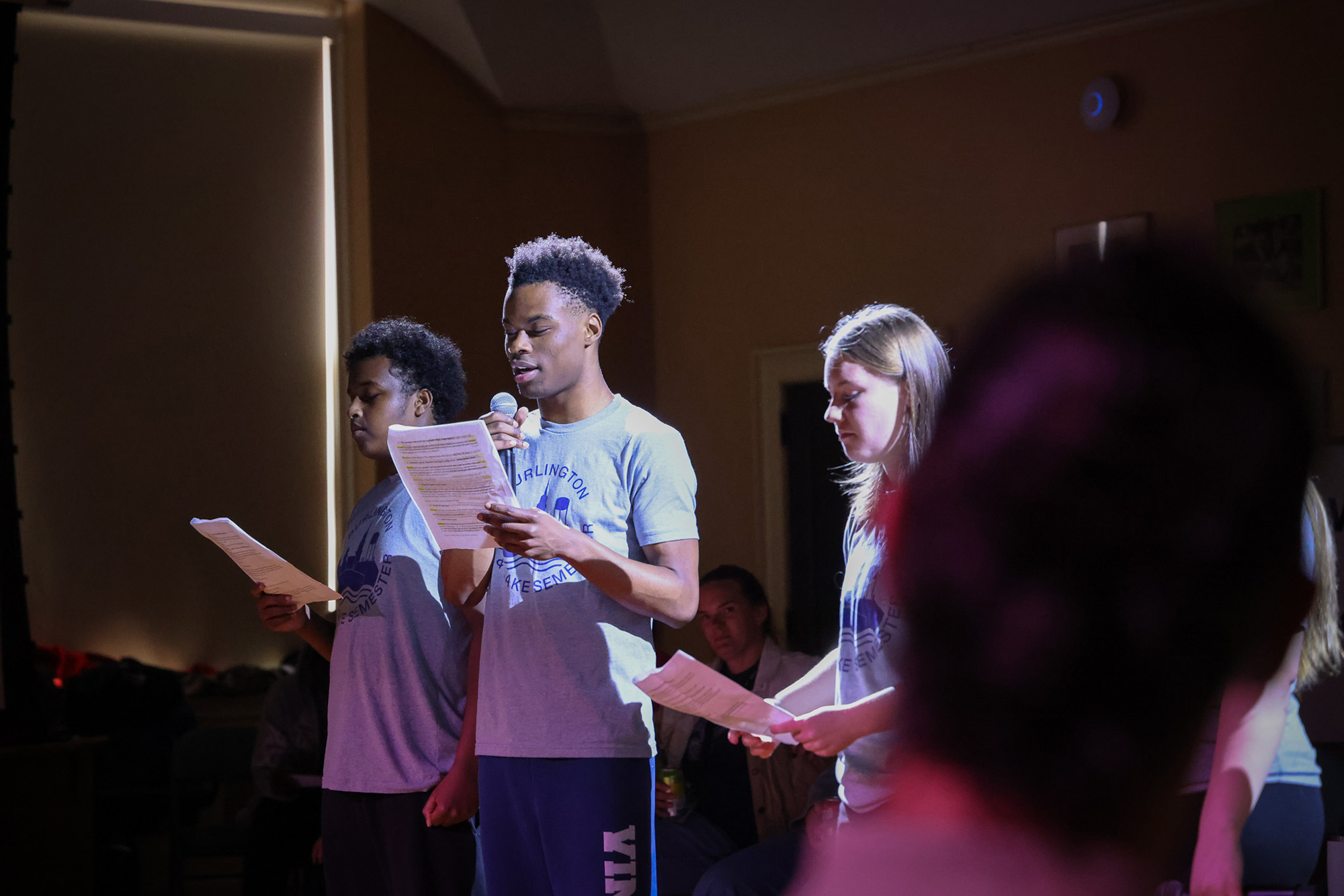
Last semester, one student in particular walked in on the first day and was very disconnected from her education. She didn't want to be at BCL, or in any class. This student didn't see value in her voice and didn't necessarily think she needed to share her thoughts. We built that student up to help her understand, there are things you can share that literally no one else in this room can share. You just have to have the courage to share your perspective, and to know there's no right answer. We stuck with her, and most importantly, she stuck with us. We saw momentum build with her from journaling to more participation. And at our end-of-semester community event, this student took a microphone on stage and told a story about her experience in BCL. It was the most heartwarming thing, to not only see this student come to value her voice, perspective, and skills, but to have the courage to stand up and speak about their community. I was really proud.
You also got to work with Shelburne Farms' school programs. What did you learn from that team?
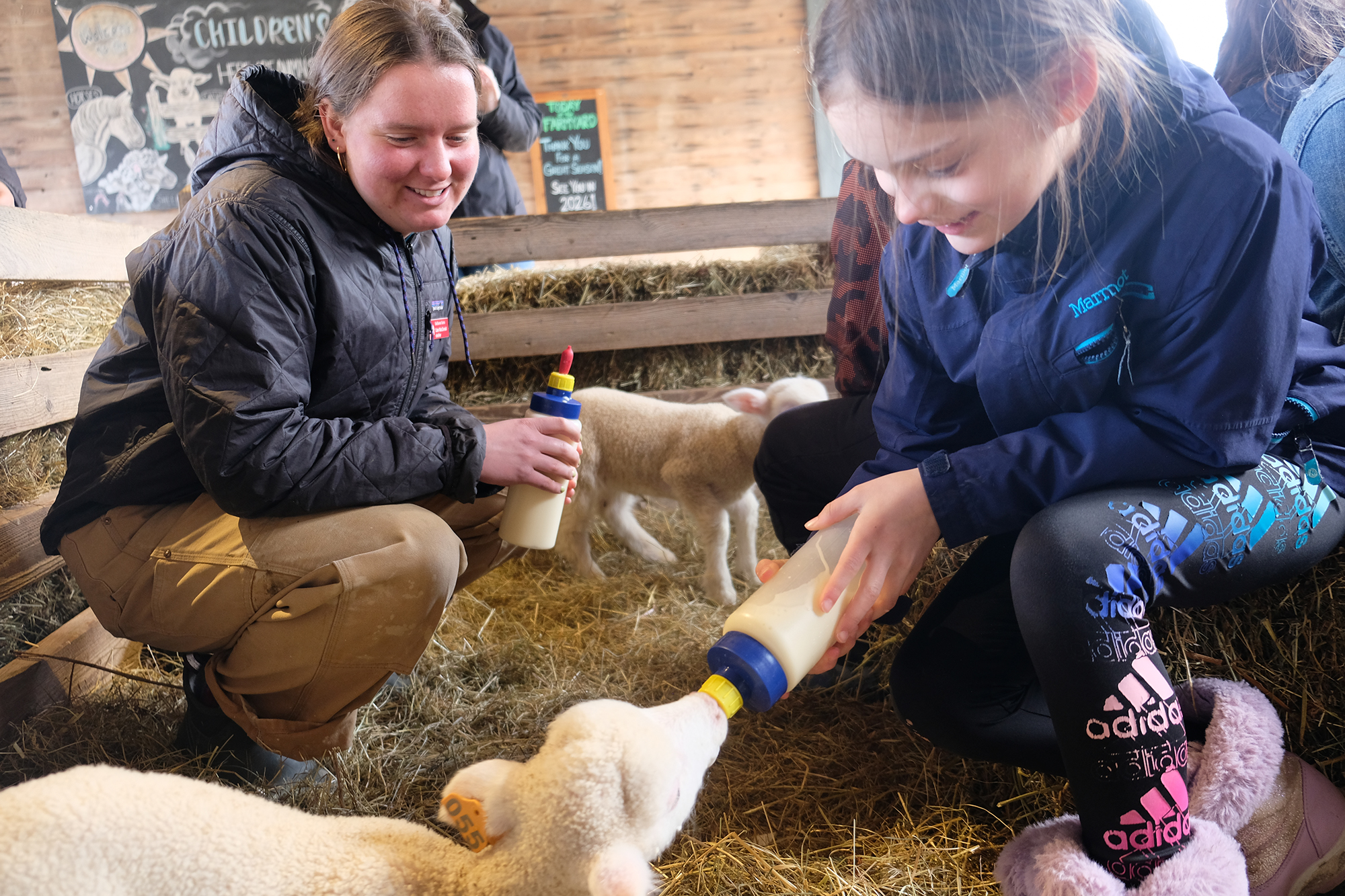
I've learned a lot about different approaches to meeting younger kids where they're at. That could be anything from meeting their energy levels to their moods to their needs to their interests. And I've learned to have a "yes, and" mindset. Maybe one student's question actually pivots our whole lesson, and that's ok! Dive in and be enthusiastic.
What other lessons will you take away from the last year?
I learned from Christie, Dov, the entire BCL experience, and also from all of the Shelburne Farms educators what place-based education is and what different forms education can take. And I learned how to really build up students and empower them and make them feel like their learning is relevant to them and resonates with them.
I also learned, especially from Dov, what community organizing is and why that role is so important. Not just in the sense of bringing people and communities together to understand each other, to listen, and to problem solve, but most importantly to build empathy for each other. I learned so much about why community organizing is important in an educational context and how those two things can intersect.
So what's next for you and your journey in education?
I one hundred percent see myself as an educator now, and I really want to continue this path. This fellowship has set me up so I don't feel limited in my options for what I can do.
This summer, I'll be returning to an outdoor expedition company to lead a leadership program in Alaska for high school students. Come fall, I'm planning to take a gap year to get more experience on the land. At UVM, I did a lot of work surrounding food access and transportation equity. Map all of my interests—global studies, geography, and food systems—and this job was right at the intersection. I struck gold.
Support BCL Today
Shelburne Farms is the lead community partner in this innovative semester-long program because we believe in the power of transformative education to create a sustainable future. Please help us reach our annual $100,000 goal for this project by donating today.
Partners