

Shelburne Farms hatched the Farm to School Program and it is spreading across the nation. "Sustainability through Education" indeed.
Programs like this, and many others, are the reason why I volunteer for Shelburne Farms.
For Educators
Education Impact
Farm to School
Oregon is Transforming Food Systems Education with Our Whole-School Model for Change

The Farm to School Podcast dropped by Oregon’s Farm to School Institute this fall to find out how the state is building connections among classrooms, cafeterias, and the Oregon agricultural community. Podcast hosts Michelle Markesteyn, PhD and Rick Sherman spoke with Oregon organizers and participants about this model that began in Vermont, and has since been growing for over fifteen years.
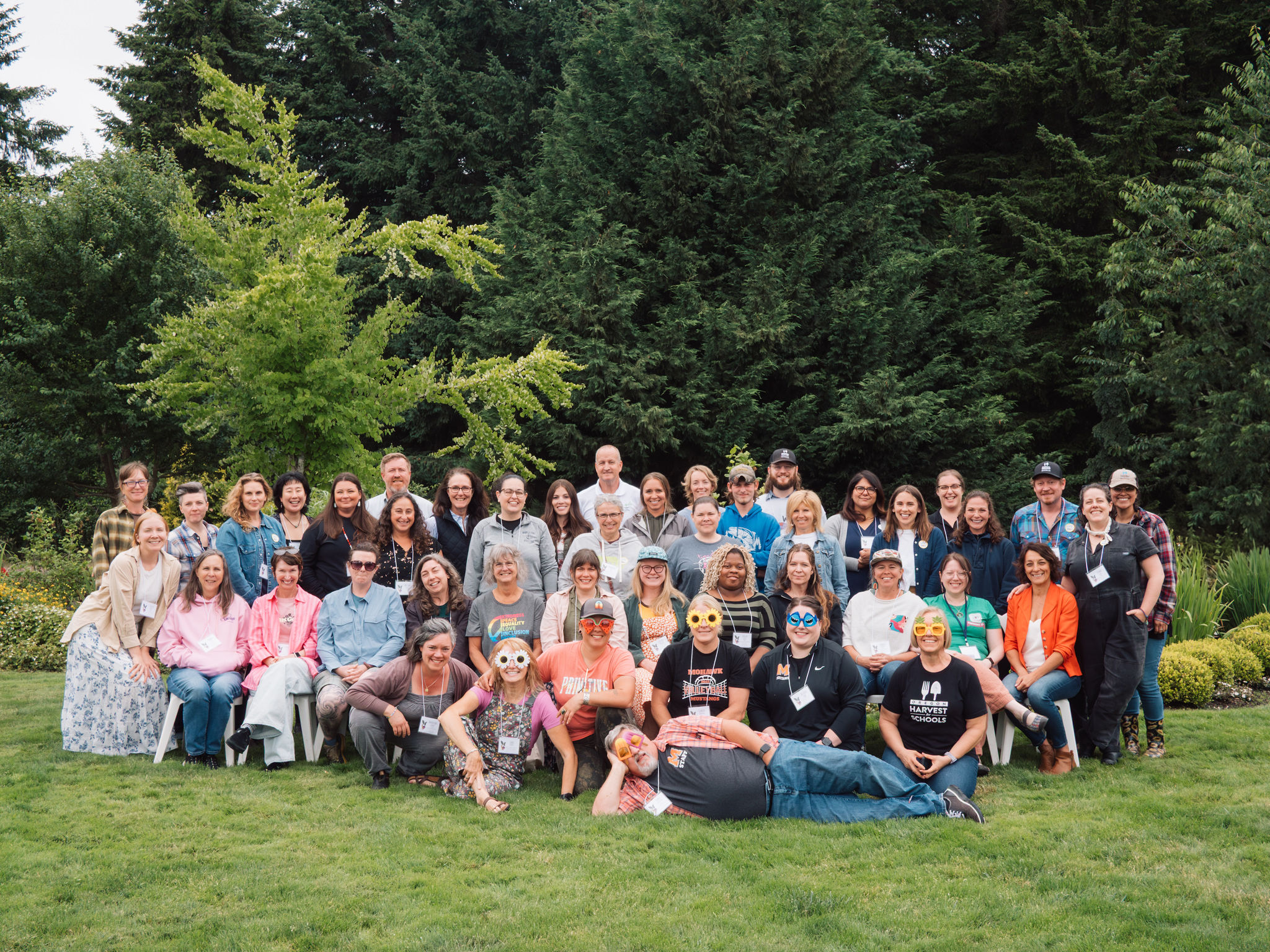
Created in partnership with NOFA-VT, our Farm to School Institute (FTSI) is a proven model for schools to build lasting programs that help students learn where their food comes from and how their food choices impact their bodies, the environment, and their communities at large. Since 2010, 159 teams have participated in our Northeast Farm to School Institute, impacting 189,600+ students!
To ensure farm to school’s transformative benefits reach communities across the country, we developed a FTSI Adaptation Program to support states in launching their own Institutes. Oregon is one such state, now in their second year of programming. During the podcast, Melina Barker, Oregon Farm to School Network Director and 2022 FTSI Adaptation participant explains how our model is moving their state’s work forward:
“Farm to school works best when [the cafeteria, classroom, and community] are all deeply integrated into a school, school culture, and integrated with each other. Oregon is a leader in farm to school. We have done phenomenal work in providing a great breadth of support for our farm to school communities. We have non-competitive reimbursement grants that give schools money to buy local food. No other state has that.
But we don't have as much depth in terms of supporting people to layer in local food with what's happening in the school garden, the classroom, and community. I think the Institute is the next layer of what we want to offer the farm to school community.”
We’re so proud and honored to see our model making real impacts across the US; as of 2025, 21 states have launched their own institutes with our mentorship and support.
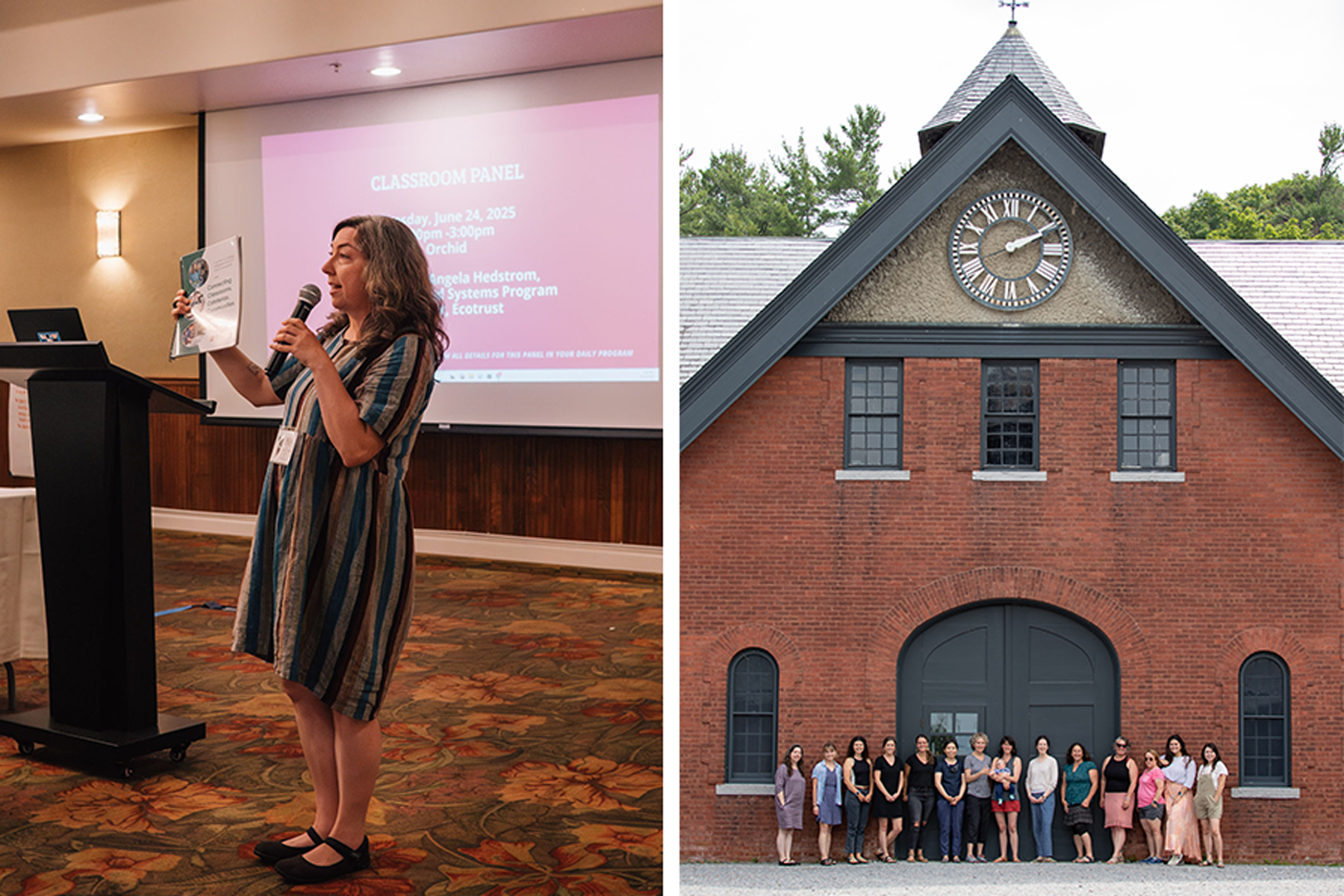
Read on for select excerpts from the podcast about the impact of the Institute in Oregon, and listen in full below:
View the transcript or listen on Spotify.
Episode Guests:
- Melina Barker, Director, Oregon Farm to School Network
- Sarah Nealon, Sustainable Agriculture Teacher, McDaniel High School (Portland, OR)
- Asher Guile, Senior, Mapleton High School (Mapleton, OR)
- Stephanie Grijalva, Educator, Mapleton School District (Mapleton, OR)
A key component of the Farm to School Institute is forming whole-school teams to participate, including representation from the classroom, administration, and school meals program. What makes this so powerful? I'm first and foremost a classroom teacher that has to focus on my students, like education and well-being, attending IP meetings, etcetera, etcetera… [It’s necessary] to have more people holding this really important work and to have more people investing in it. Our cafeteria manager is awesome. I can be like, ‘Hey, we're going to harvest lettuce later on. Can we bring some?’ And he'll put it on the salad bar. He'll make his own flyer about it. But it's kind of last minute or hectic. Just having the spaciousness to actually sit down with him and share our goals. There's so many little points where I feel like we could really like lift up this work. –Sarah Nealon, Sustainable Agriculture Educator, McDaniel High School
What’s an adaptation to the Farm to School Institute model that Oregon has made to better suit your communities? So there are core elements to an Institute that you want to keep as the foundation. But we have done some adaptations here in Oregon. Specifically, we've separated early childhood education from K-12. So we actually offer two different Institutes, and we're alternating years. Next year will be the farm to early childhood education Institute, and that model is a lot different because of the different needs of that community. –Melina Barker, Director of the Oregon Farm to School Network
Since being part of an Institute team, what does farm to school look like back in your school? We have our hydroponics in our school, in each classroom and one big one in the hallway. So there's always salad and produce growing and kids always have access to it. But we’re still working on like getting our garden produce into our cafeteria. Some of it's getting into the culinary class, which is just big step itself. –Asher Guile, Senior, Mapleton High School
Partners